The Vulnerability of the Lens: Photographing What is Close
As photographers, we often hide behind our cameras. It’s our shield and our window. But in a recent class during my Director’s Fellowship at the International Center of Photography, titled "Photographing What is Close," taught by Talia Herman, I was challenged to put that shield down.
The assignment was simple but daunting: Photograph someone you have a personal relationship with; a relationship that predates the photographic one. For me, this posed a physical problem. My best friend is in Calgary, my family is in Texas, and I’m currently based in Hong Kong. Without a partner or roommates to turn to, I felt stuck in the "geographic gap" of my personal life. But the real hurdle wasn't the distance—it was the vulnerability.
Overcoming the Fear of "No"
I spent days overthinking it. I wanted to ask my colleague, Pia, but the "what-ifs" were loud: What if she says no? Will it make work weird? Will I look like a fool?
I kept thinking about something the actor Audra McDonald once said—that the fear she feels before every new role is actually essential to the work. I realized that if I wasn't a little bit scared, I probably wasn't pushing deep enough. So, I took the leap and asked. To my surprise (and relief), she said yes.
The Creative Process: From Subject to Collaborator
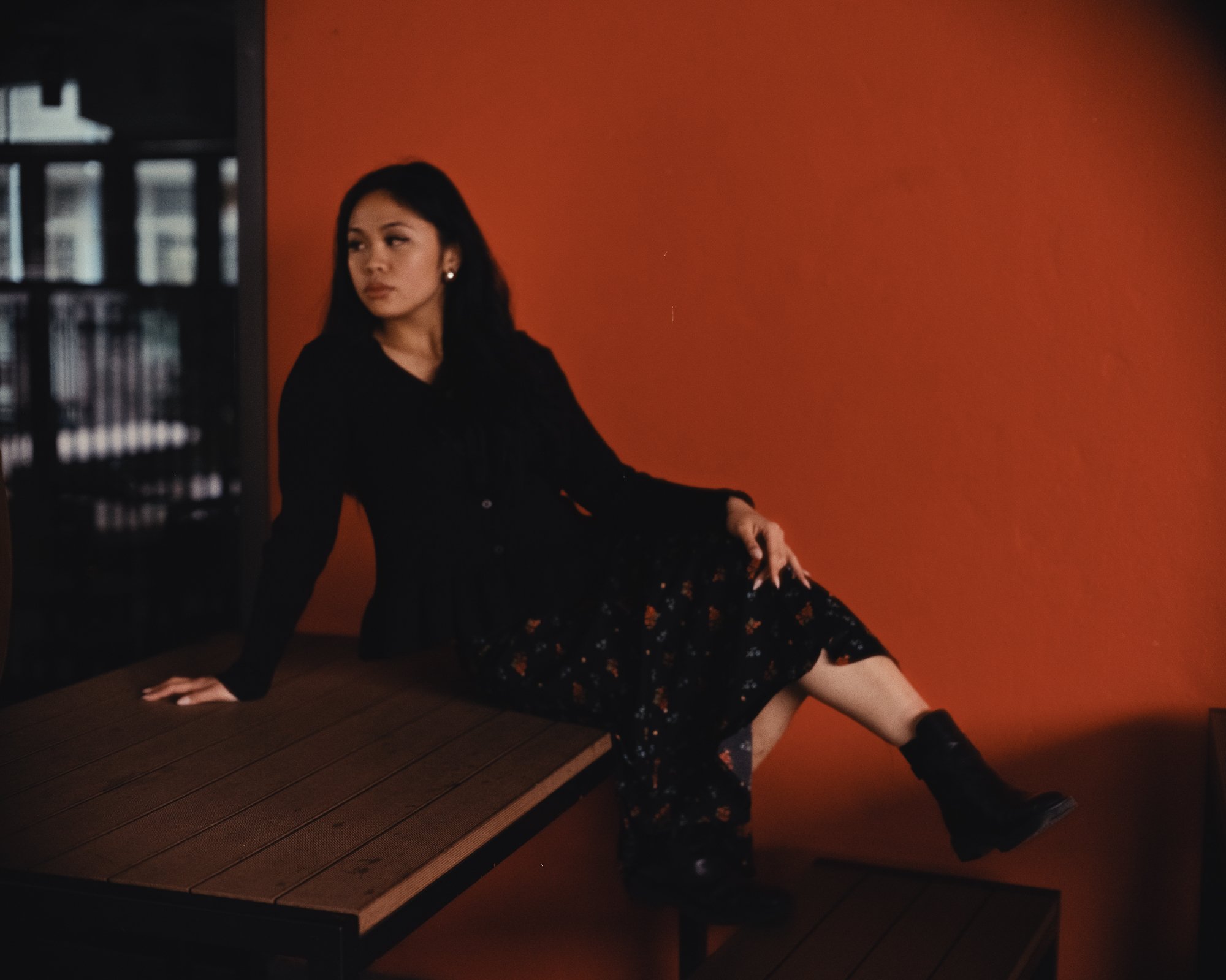
One of the most important things I’ve learned is that "closeness" in a photo comes from presence, not just history. I didn’t want to dictate a vision to Pia; I wanted to build one with her.
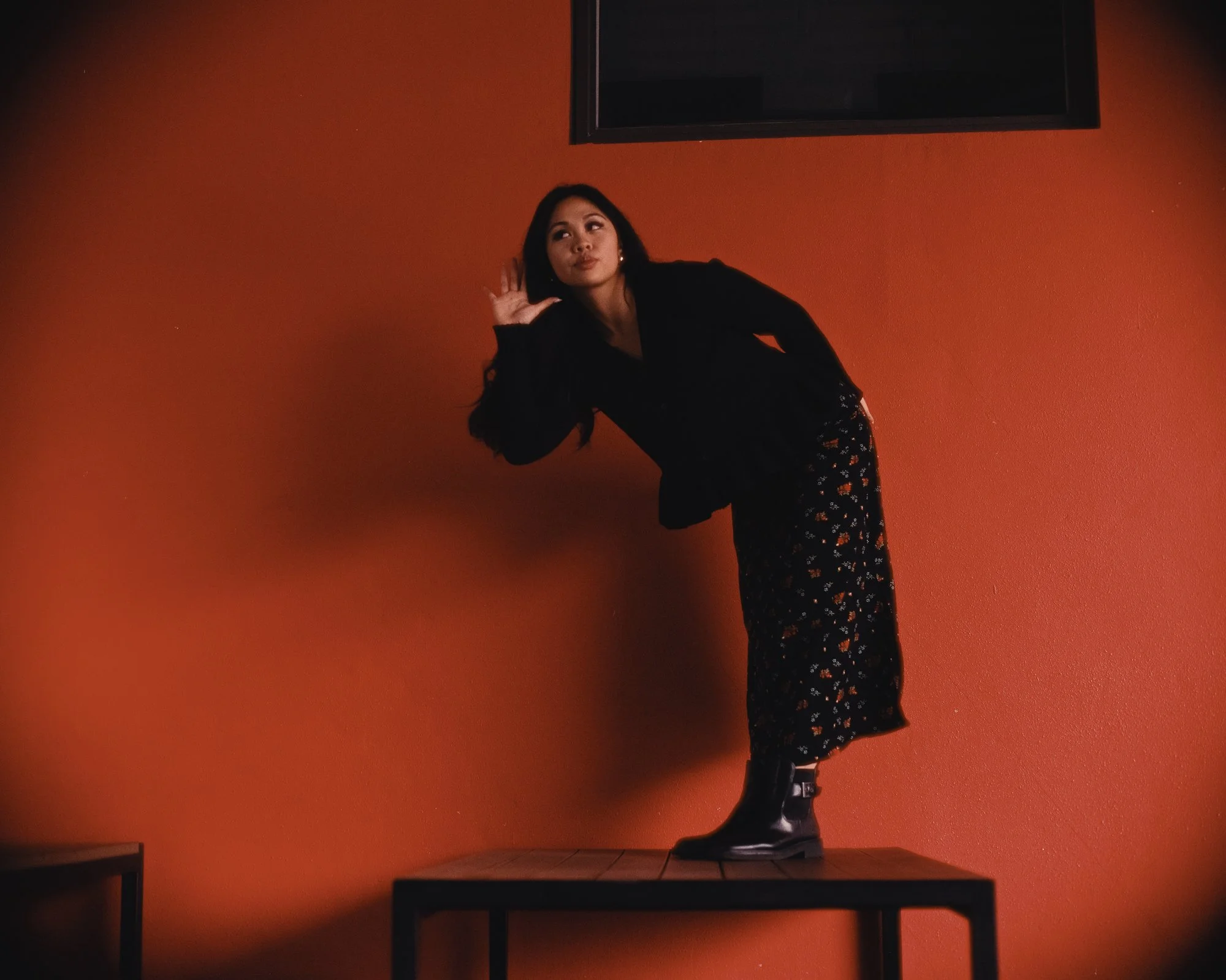
Shared Agency: I asked her to choose clothes she truly loved—pieces that represented how she wanted to be seen.
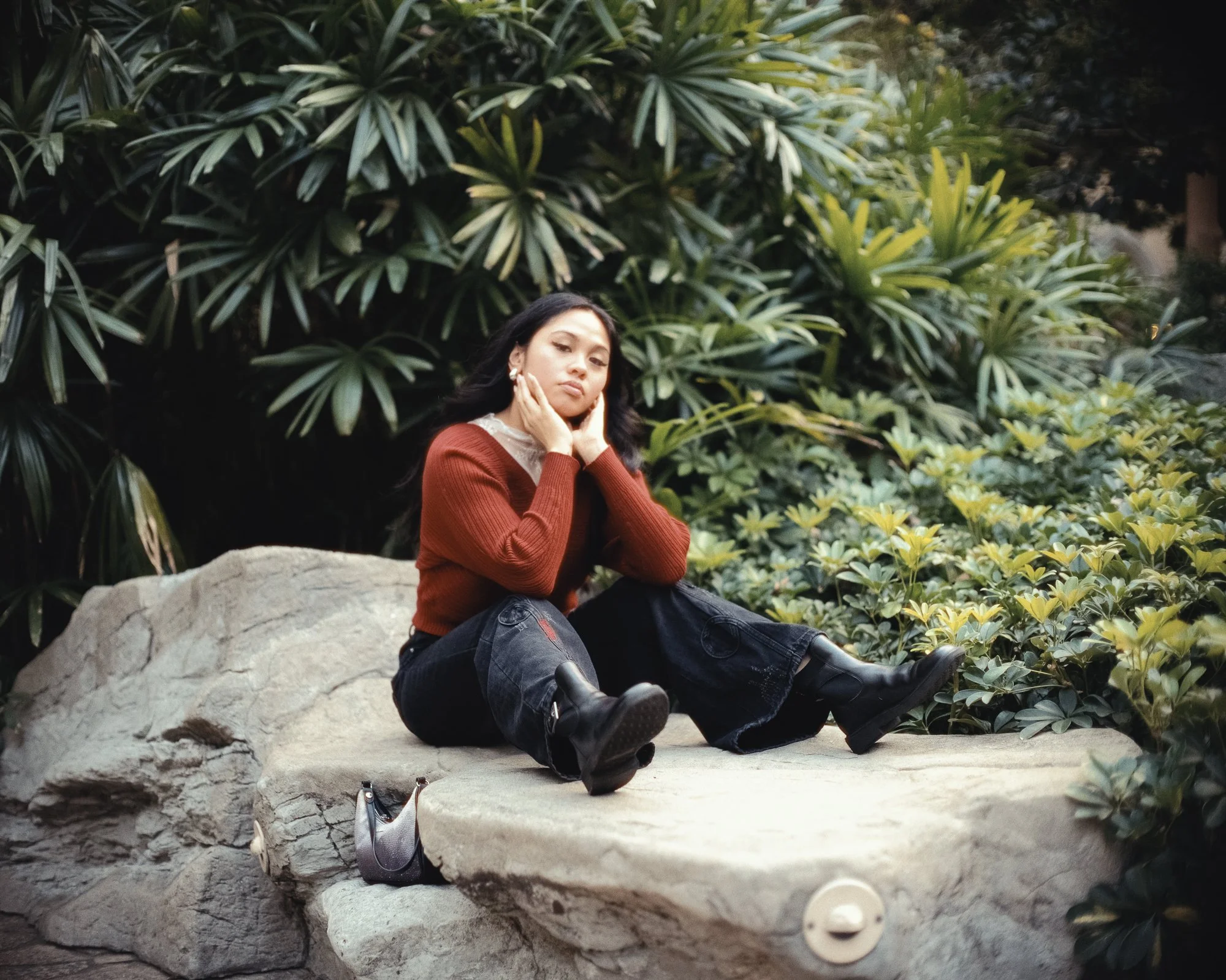
The Geography of Trust: We picked locations together. By giving her the power to choose her environment and her poses, the dynamic shifted from "Photographer and Subject" to "Co-Creators."
Capturing the "In-Between": Following my class notes, I looked for those small gestures—the moments when her body language shifted and she truly relaxed. Pia turned out to be a natural, moving with a kind of magic that made my job easy.
Solving the Light: No Excuses
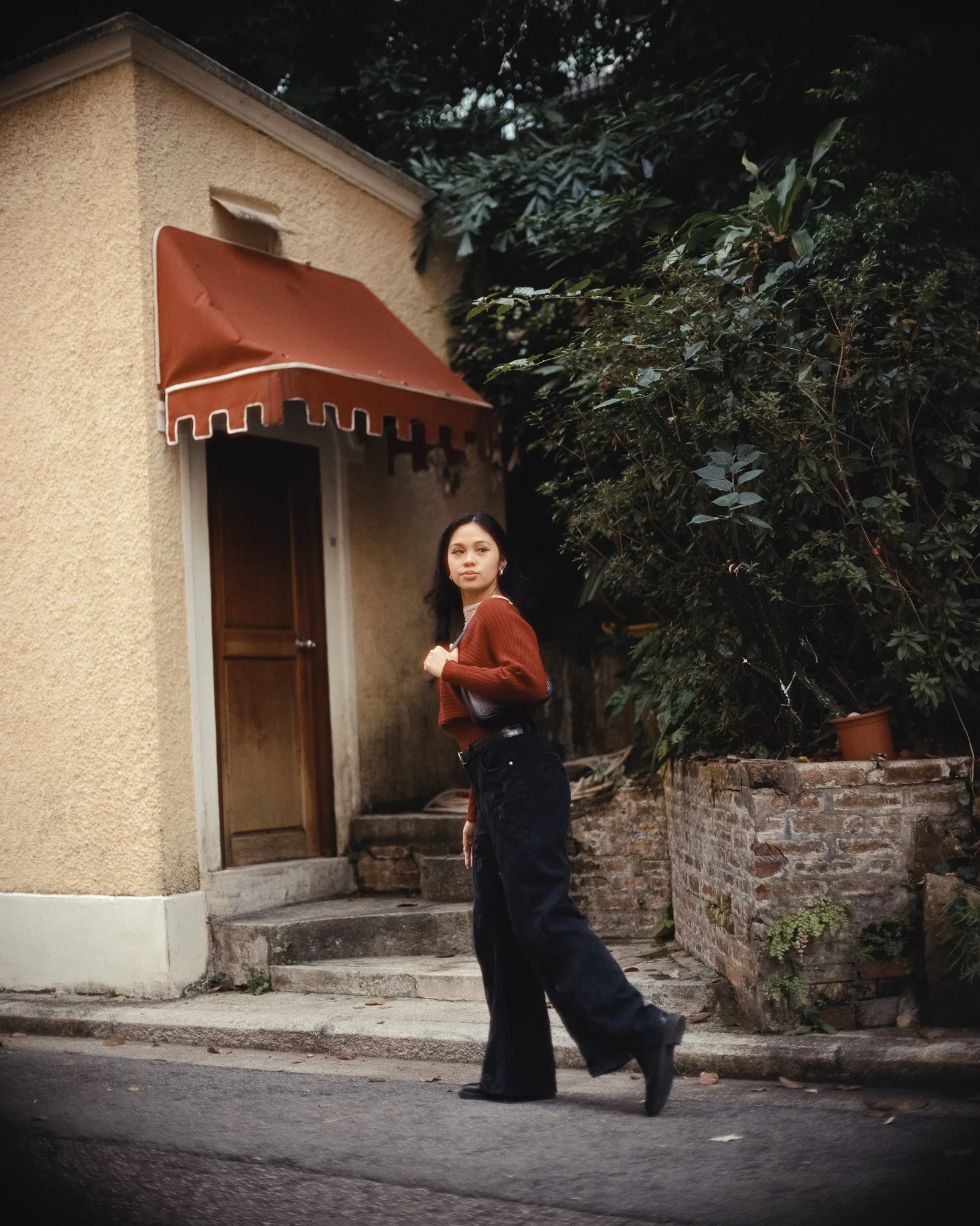
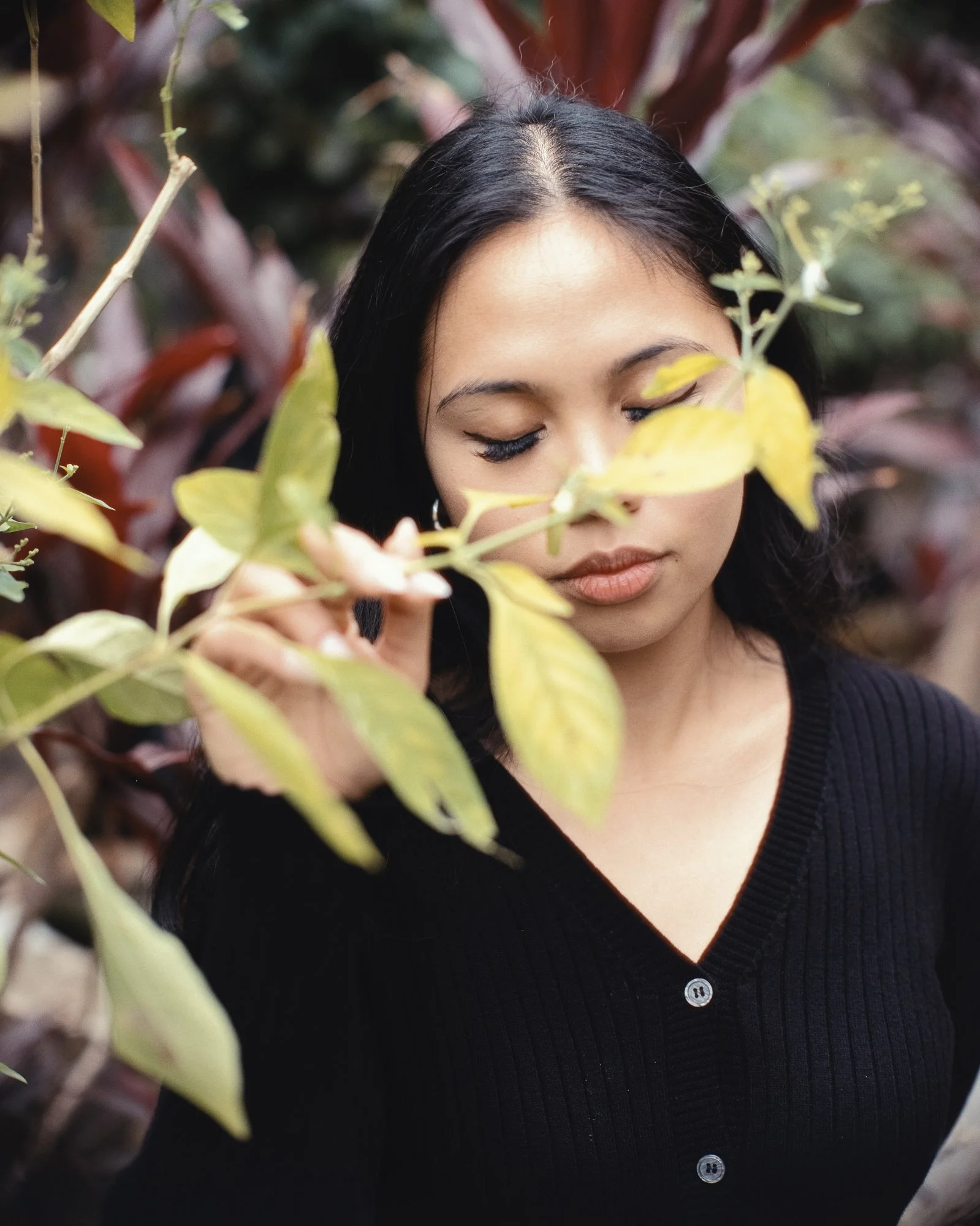
As professional artists, we have a saying: You can’t blame the light. If the sun isn't cooperating, you have to find a solution.
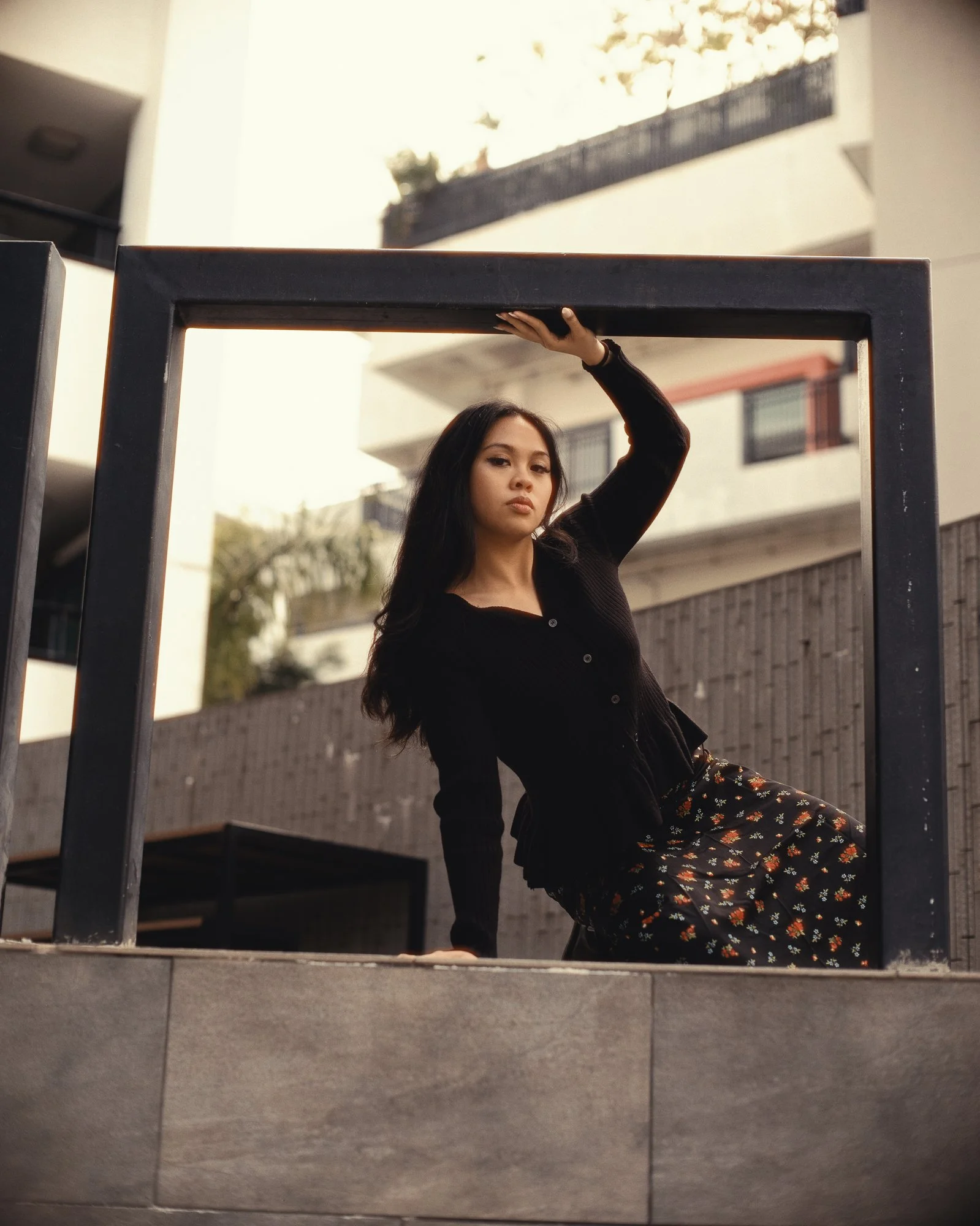
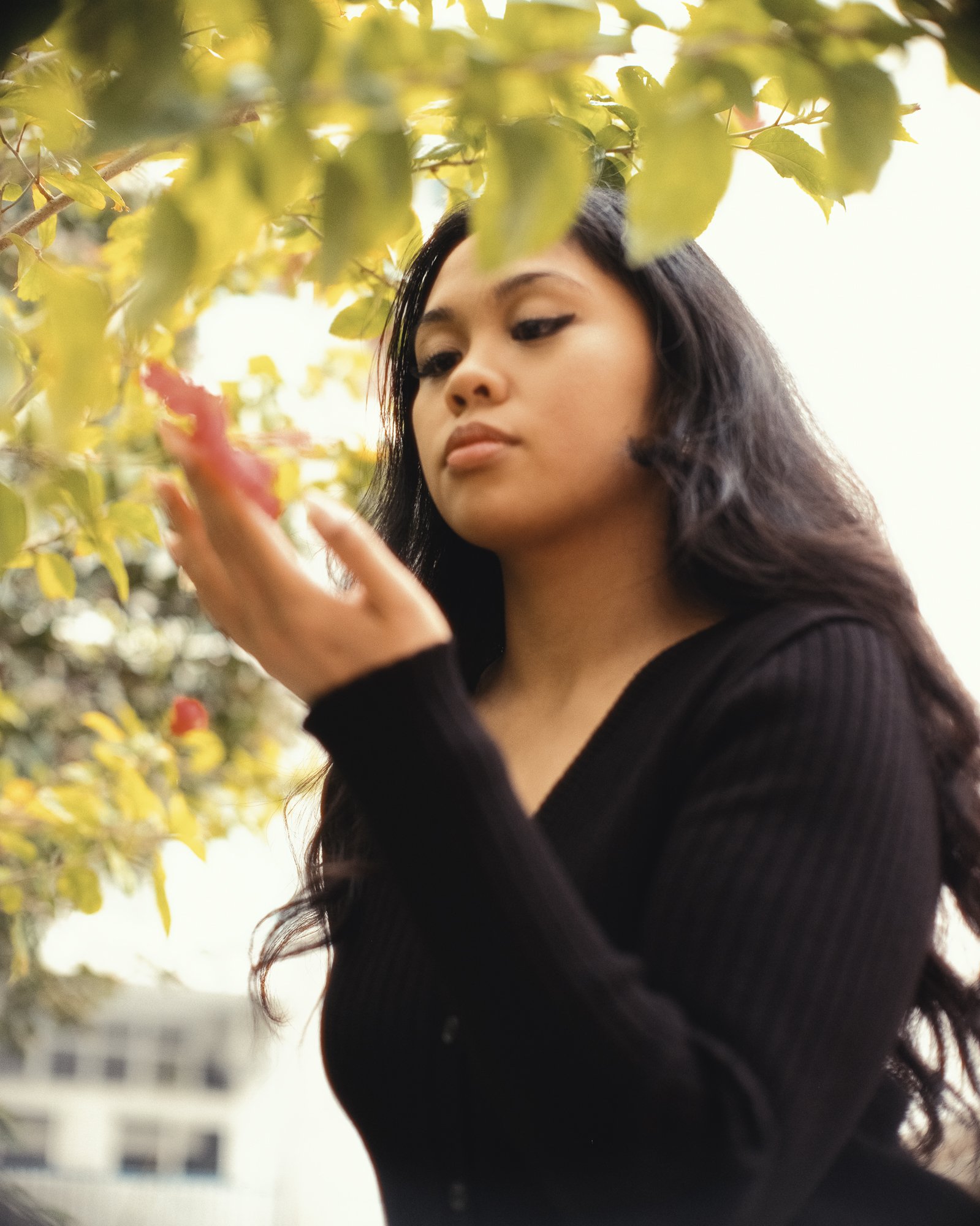
During our shoot, the natural light was harsh and unforgiving. Instead of giving up, we went on a hunt for "natural reflectors." We found spots directly across from tall, wide white walls. These acted as massive, soft light panels, bouncing the sun back onto Pia’s face with a beautiful, creamy glow. Combined with my handheld reflectors, we turned a "bad light" day into a high-end editorial look.
The Conversation After
The assignment required a follow-up talk, and this was the most rewarding part. Pia shared that the experience felt as amazing for her as it did for me. It wasn't just about the photos; it was about the time spent together and the mutual respect developed through the lens. We are already planning our next shoot.
Advice for Emerging Photographers
If you’re feeling stuck or intimidated by the idea of photographing your own community, remember these three things:
Carry your camera everywhere. Comfort starts with the camera being an extension of your arm, not a "special occasion" guest.
Breathe with your subject. When things feel stiff, ask them to close their eyes and take a breath. It brings everyone back into their bodies.
Collaborate, don't dictate. People shine brightest when they feel they have a say in their own narrative.
The "Sense of Place" is important, but the "Sense of Person" is everything. Don't let the fear of rejection stop you from making something beautiful with the people right in front of you.