Resurrecting the Buraq: How Ancient Icons Fuel Radical Voidpunk Futures
A Documentary Photographer’s Journey from Persian Miniatures to Posthuman Identity
The Moment Everything Changed
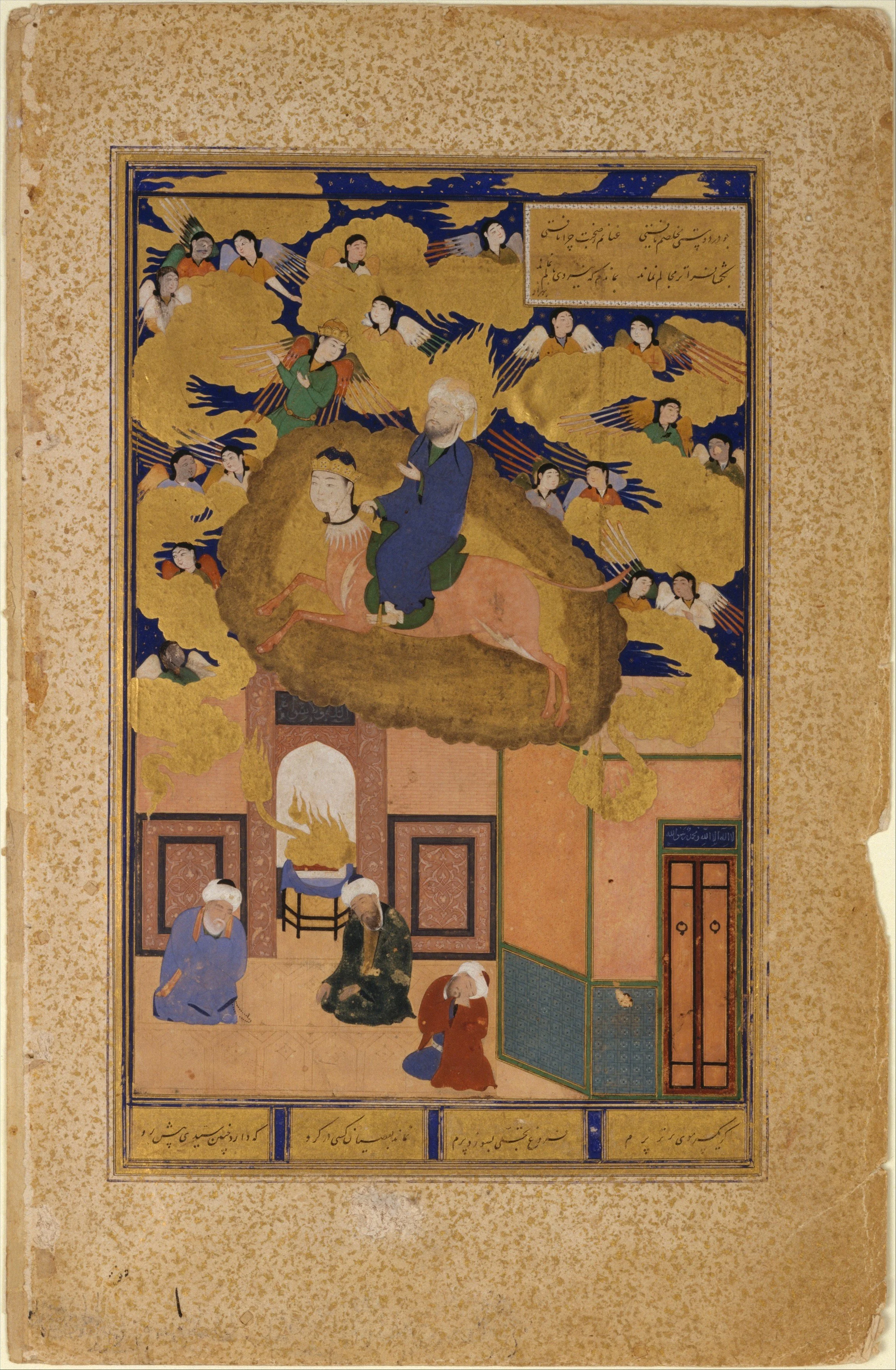
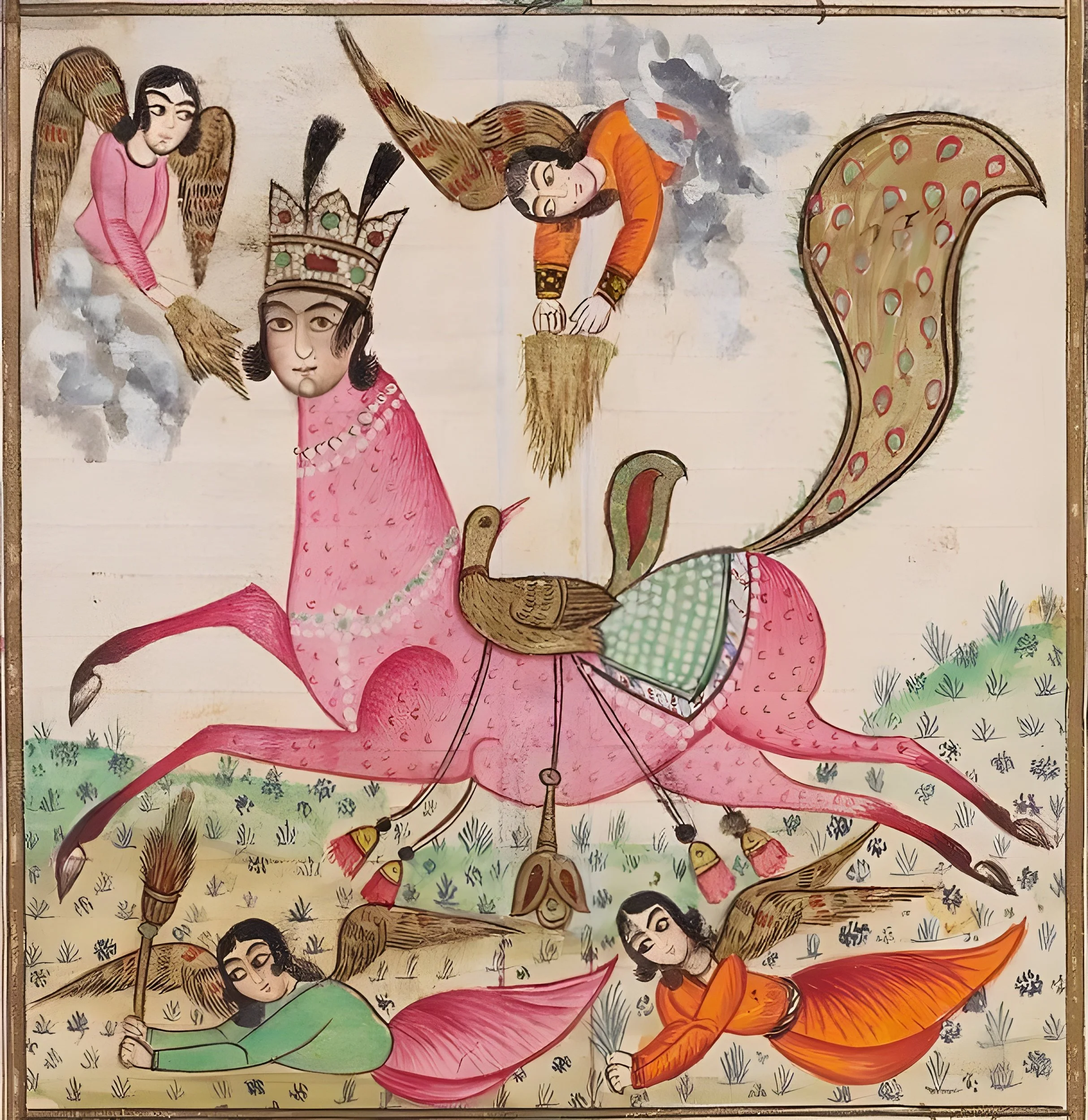
When I first encountered digital archives of the Buraq—a 14th-century celestial, winged, human-faced hybrid—I didn’t see a religious relic. I saw a Voidsona.
In the community I document, a "Voidsona" is a self-designed persona used to embrace being "othered" by society. It is the heart of Hong Kong’s radical counterculture called Voidpunk, where individuals who have felt dehumanized—whether due to neurodivergence, queerness, or disability—reclaim that "non-human" status as a point of pride and radical self-reinvention.
This revelation occurred during a recent archival research assignment for my long-term project, Love Like a Monster. What started as a school exercise became a vital chapter in my work. It allowed me to see how an "unattainable" heavenly messenger could empower modern outsiders to forge their own divinity and rewrite their own narratives.
My Creative Process: Where Archives Meet AI
1. Choosing the Right Icons
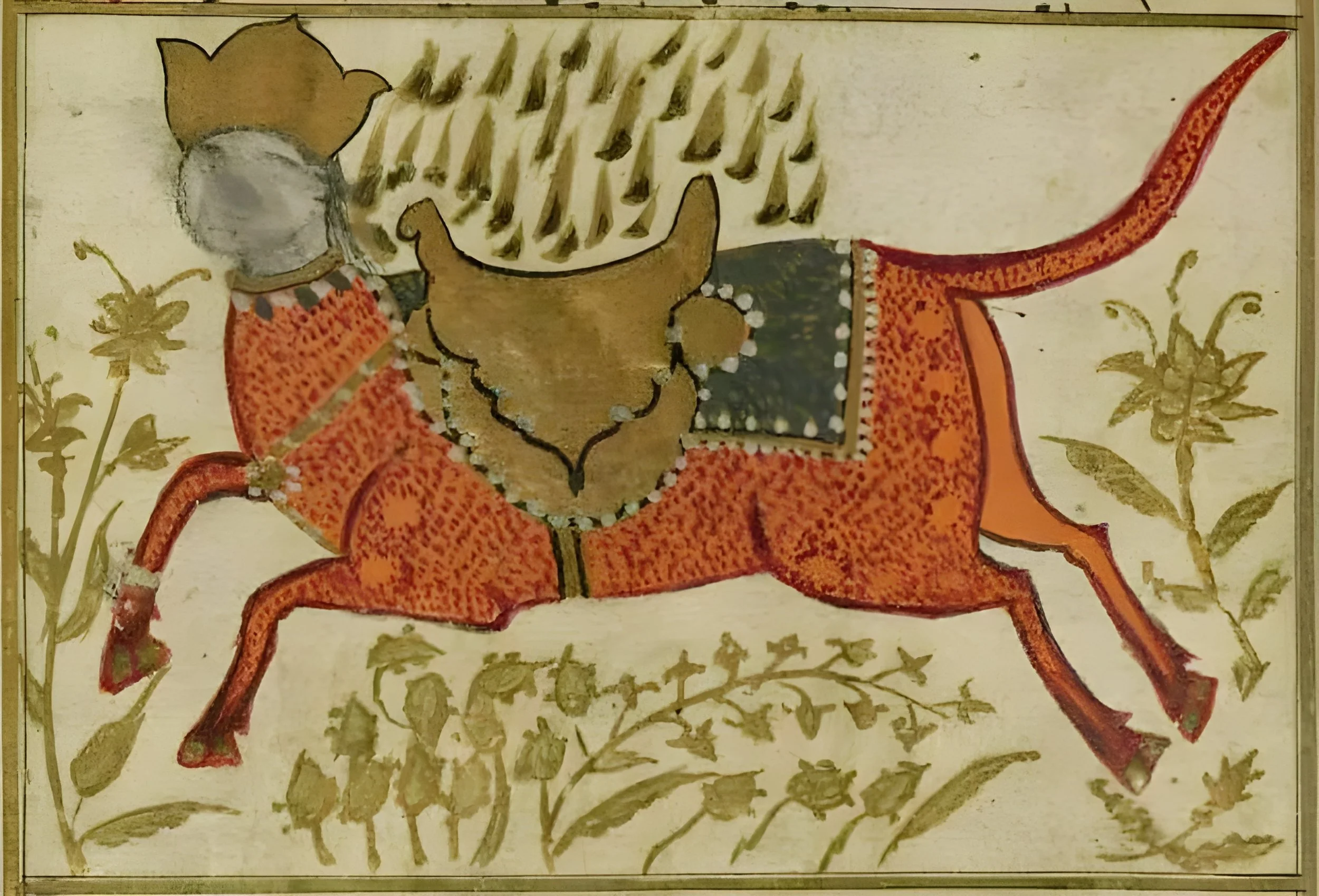
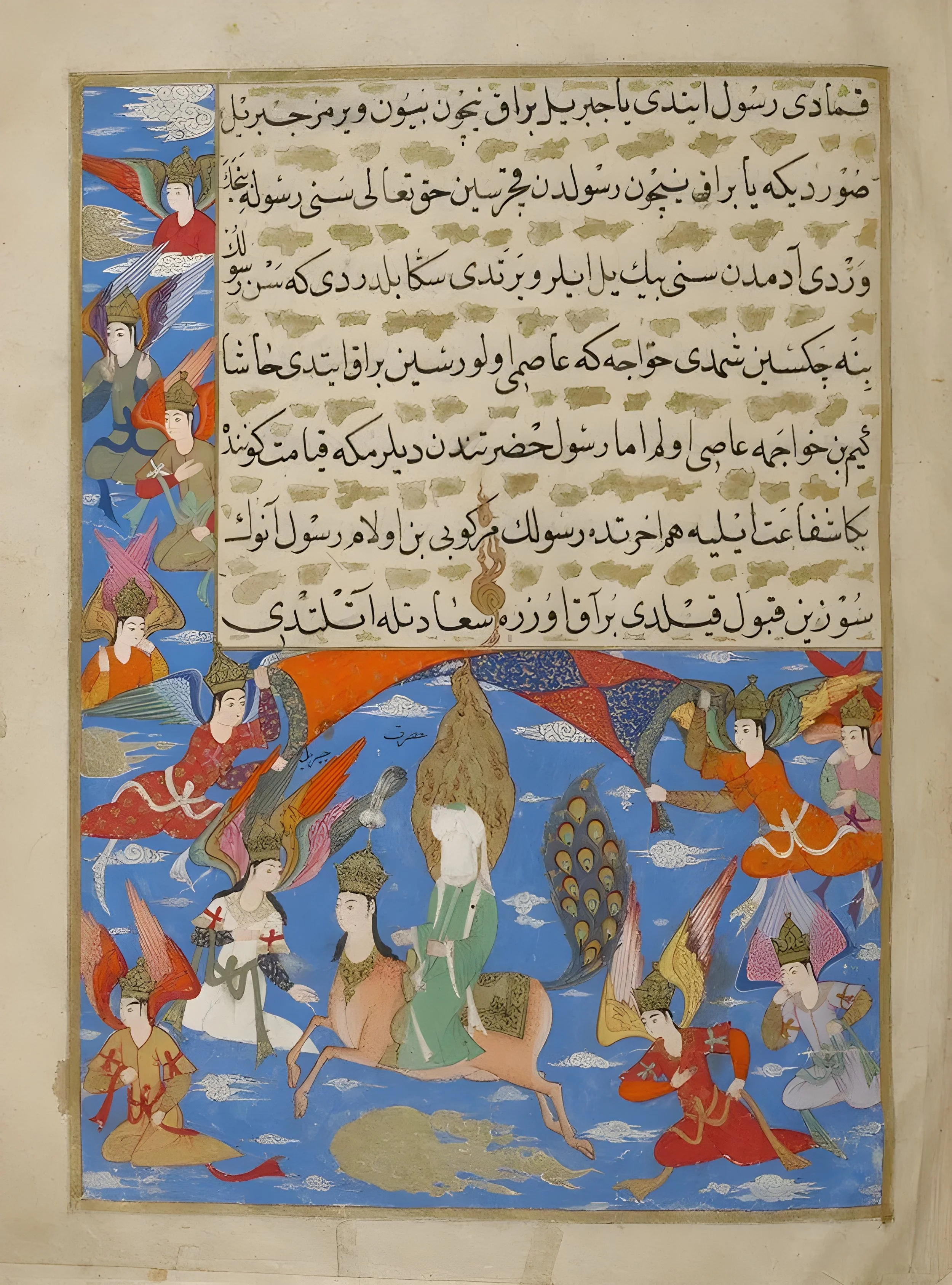
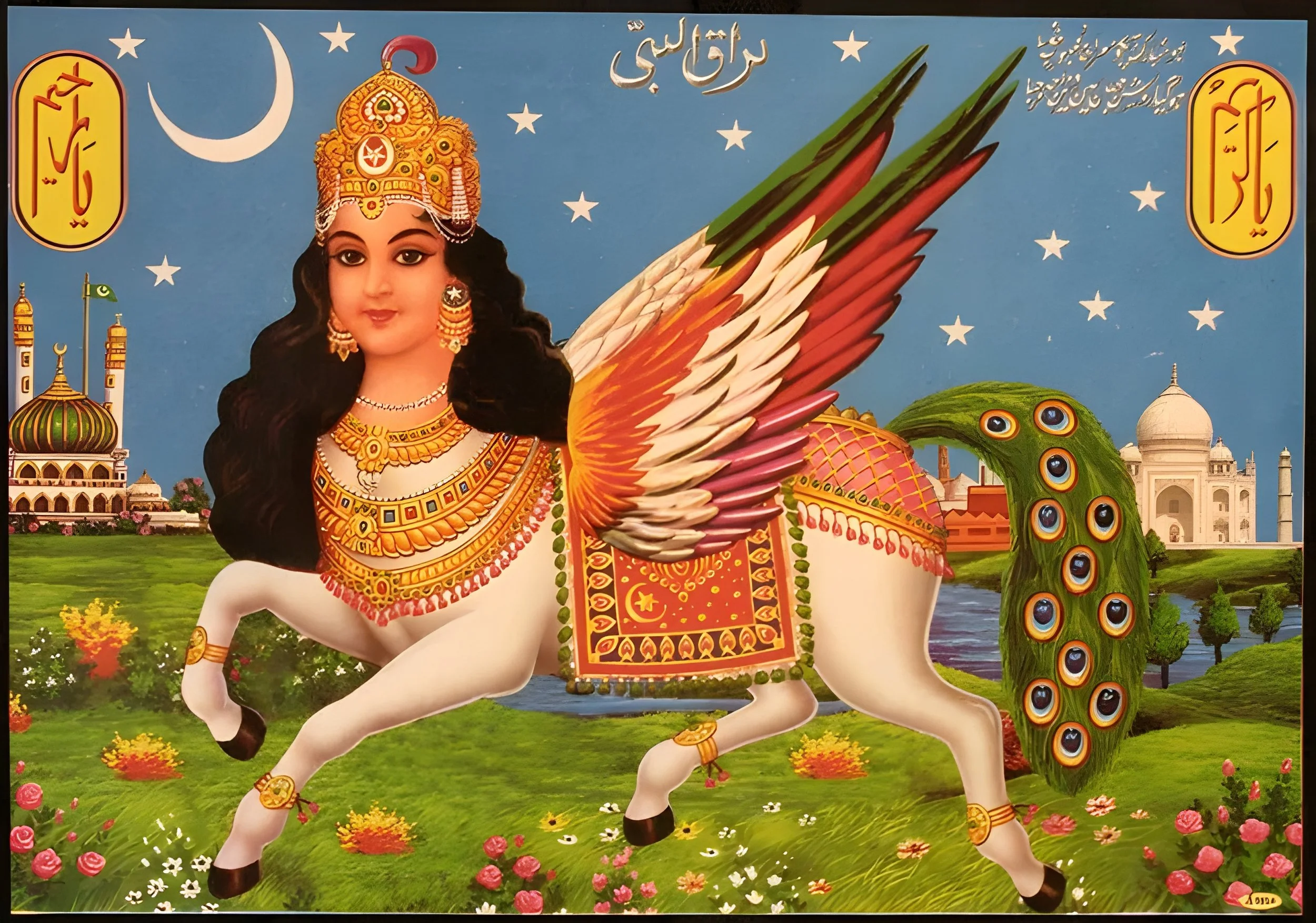
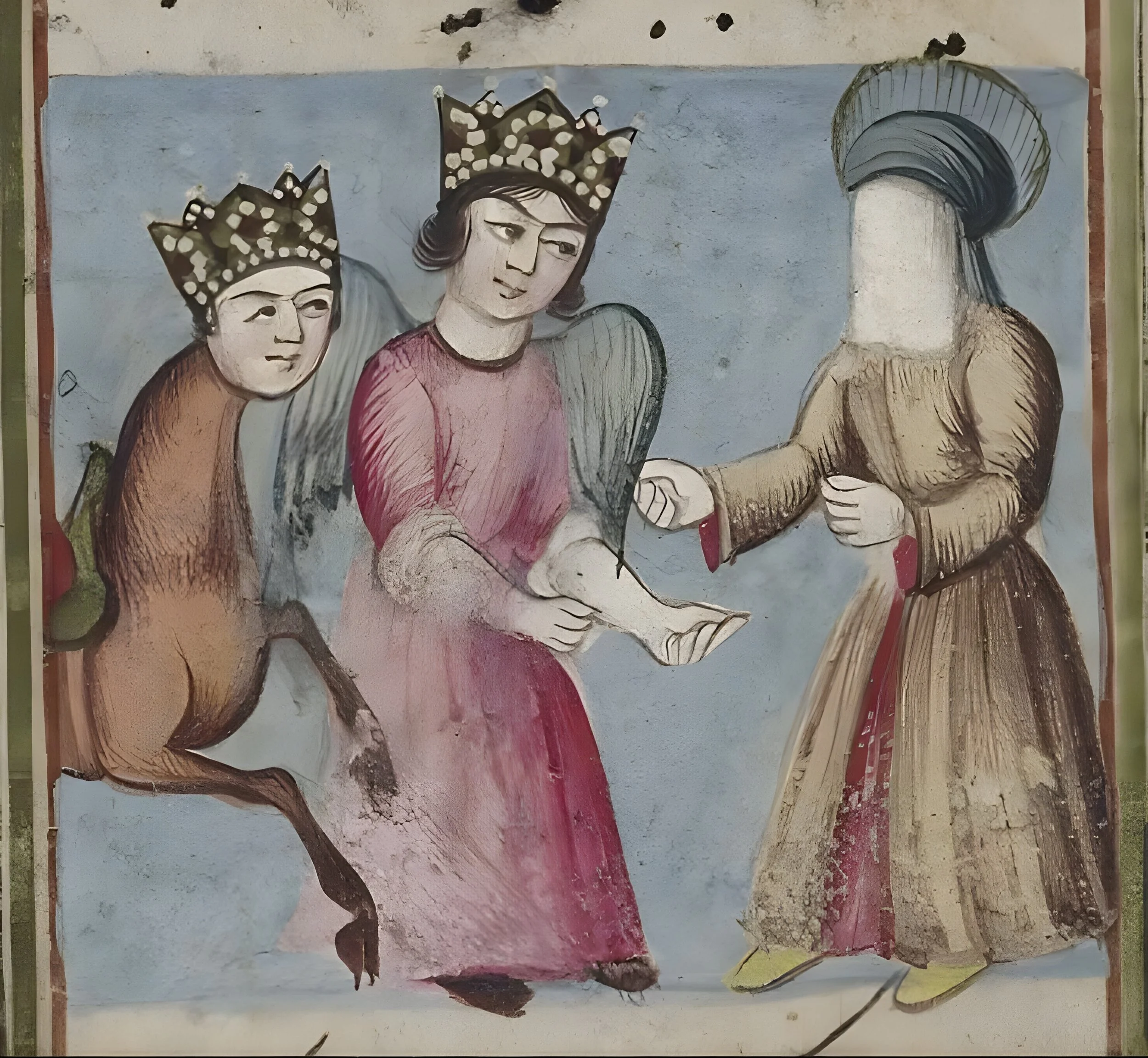
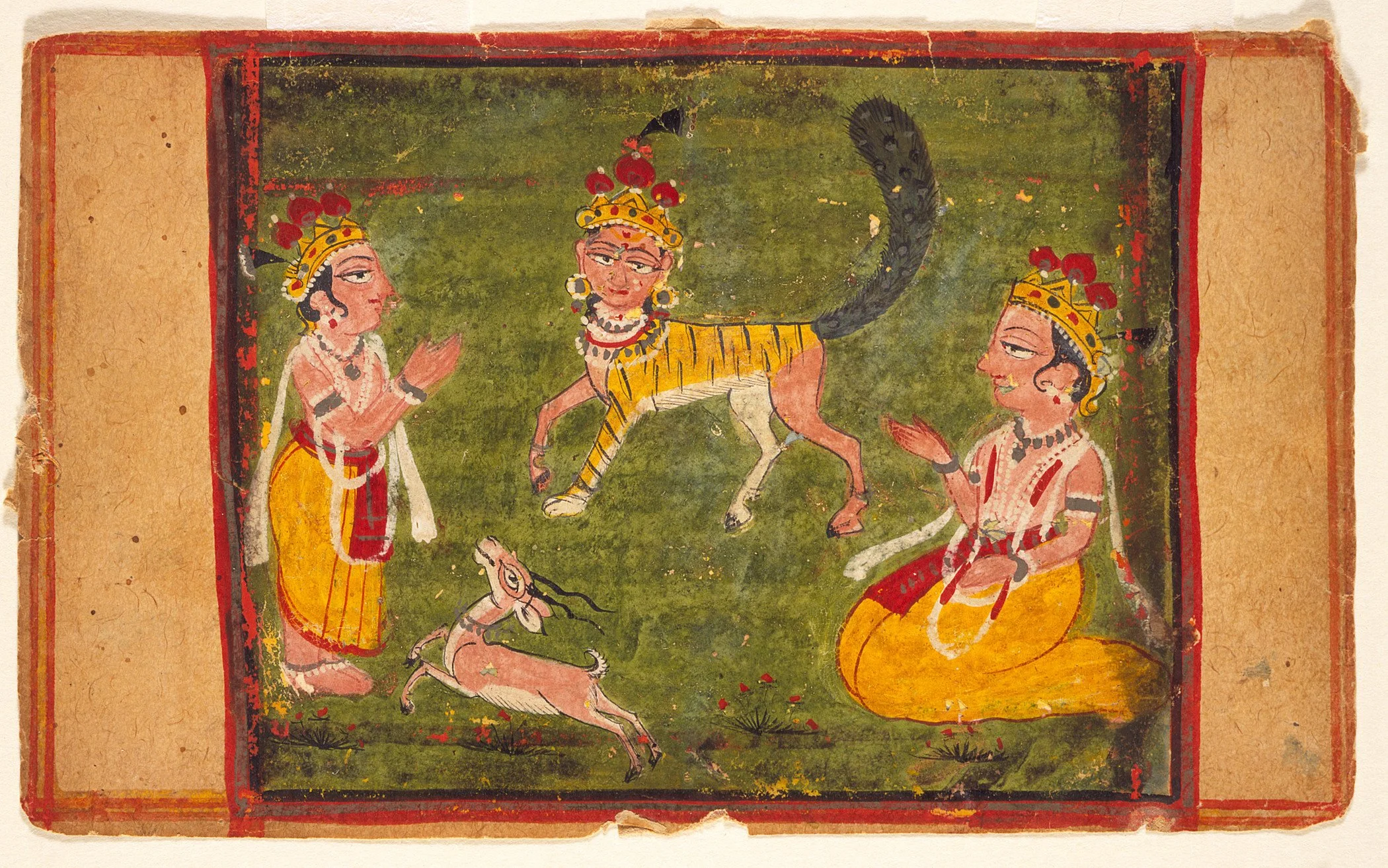
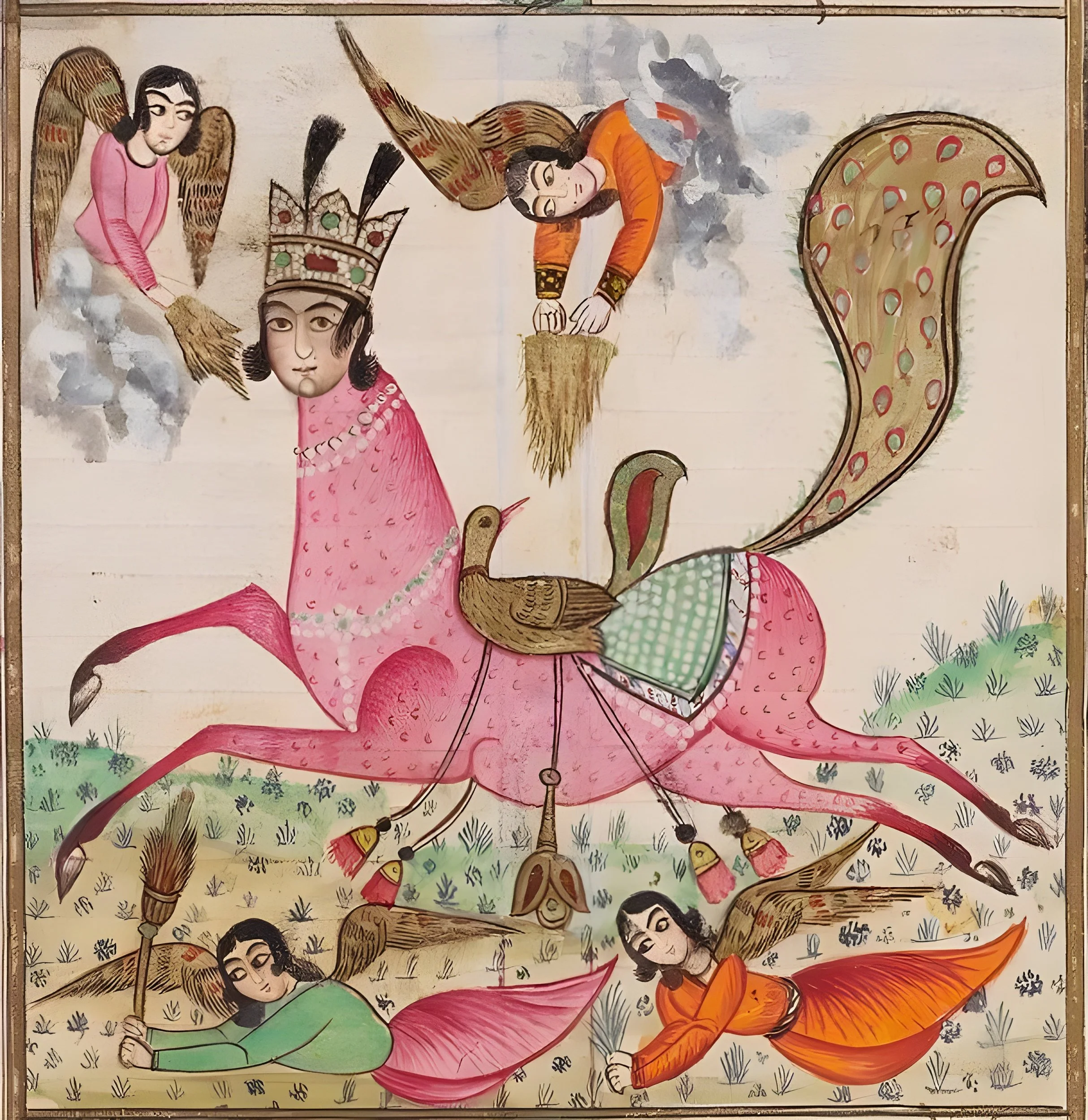
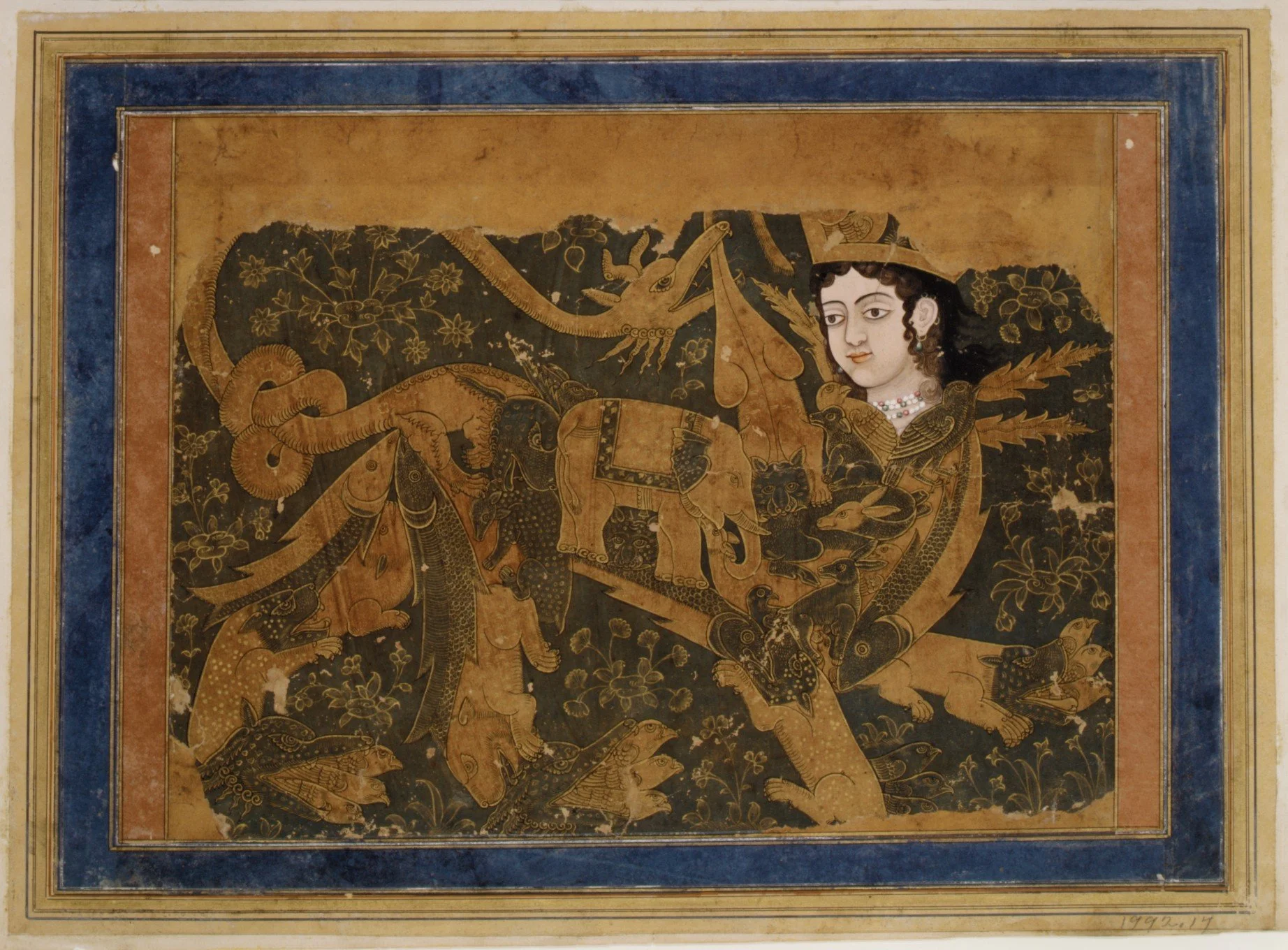
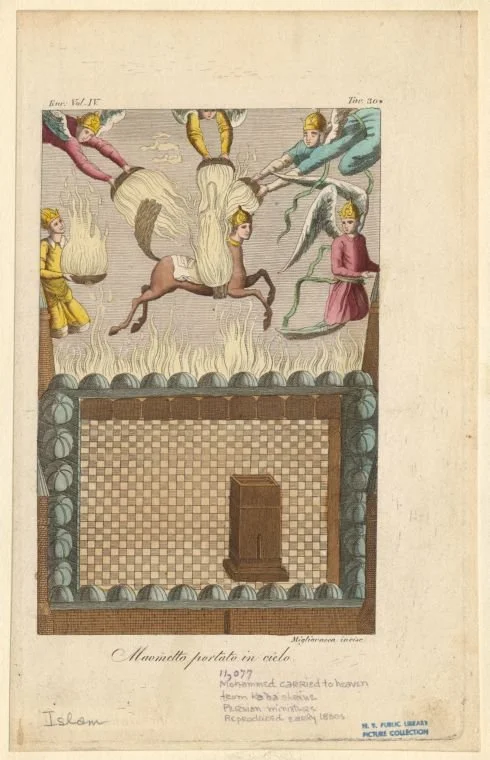
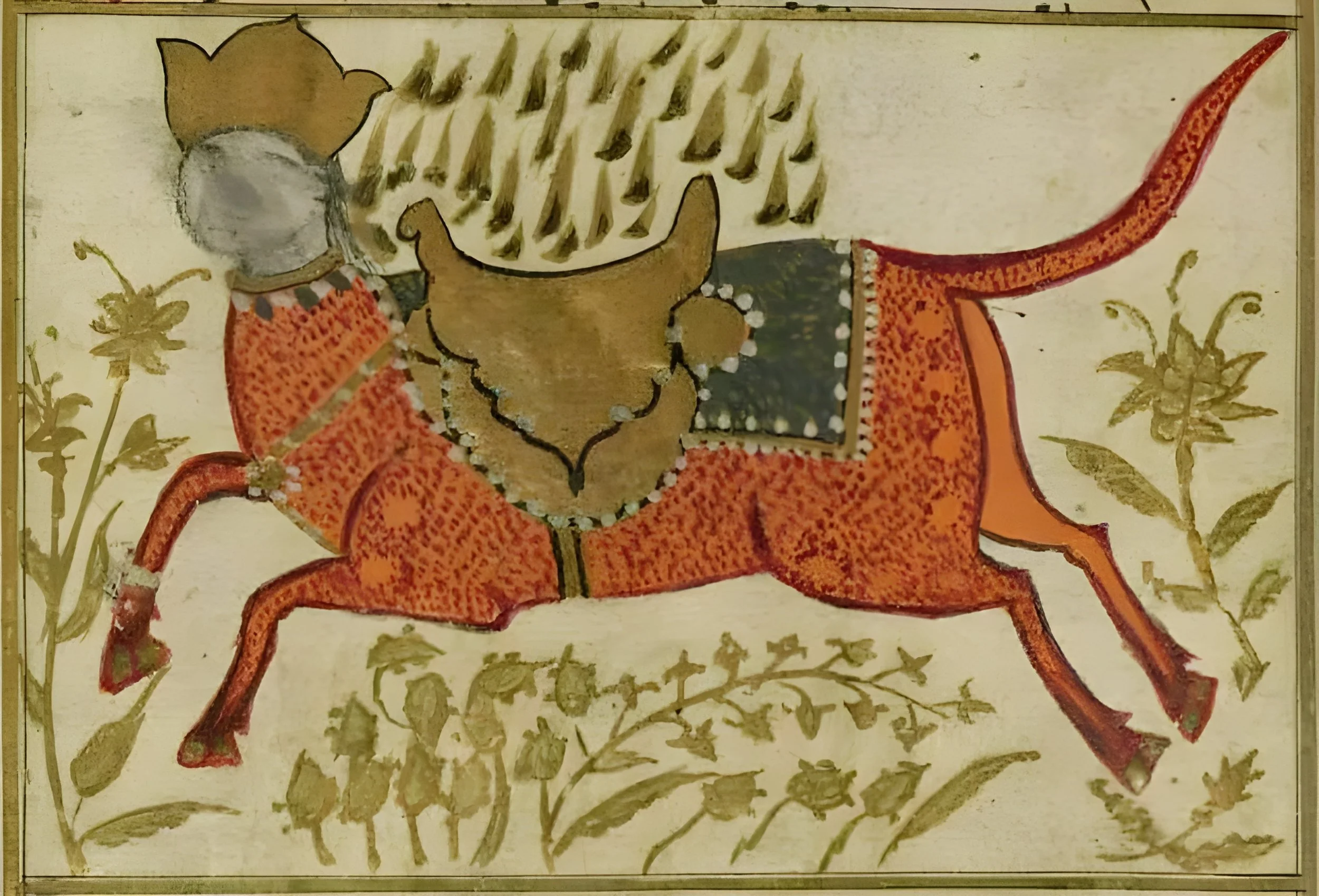
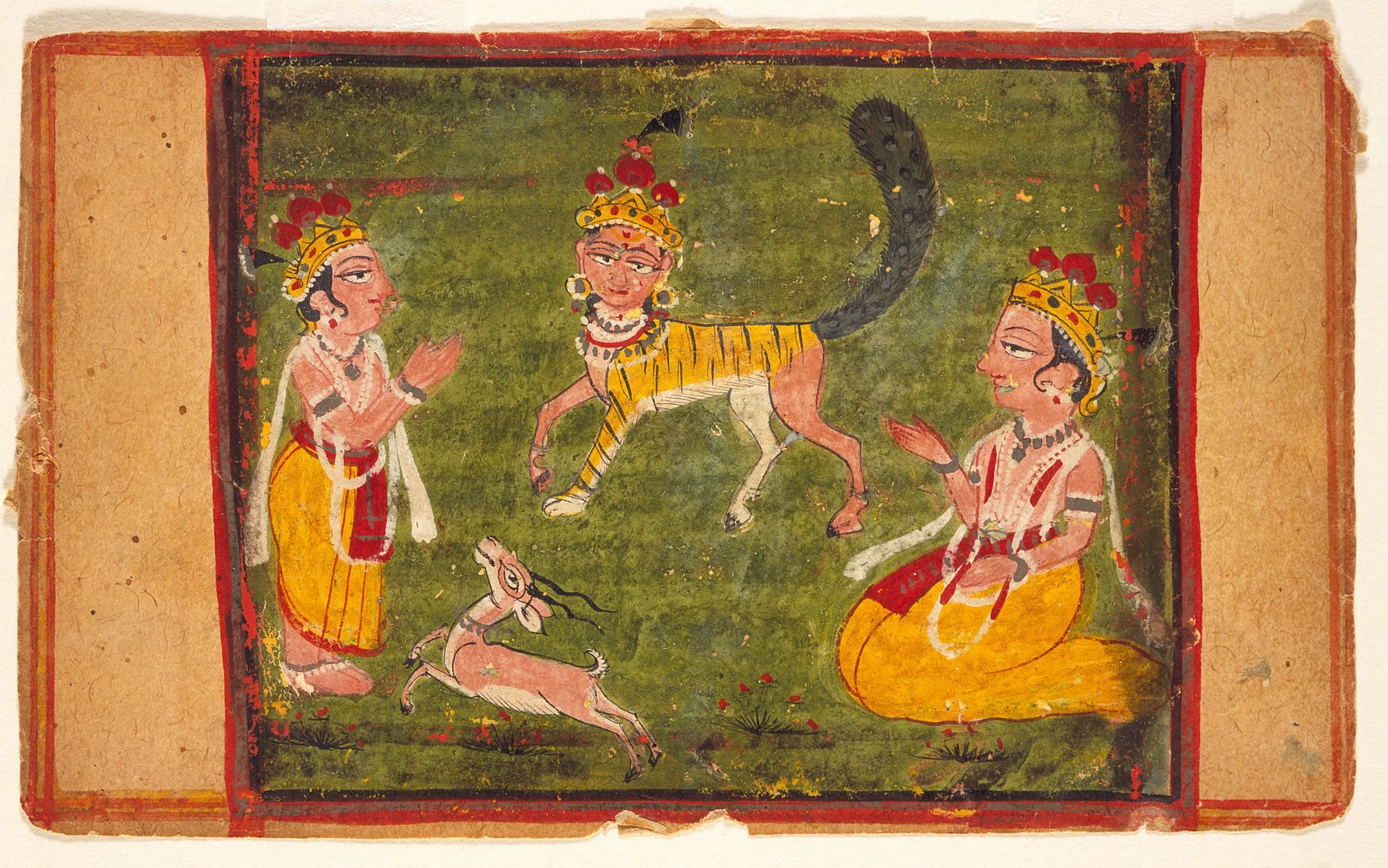
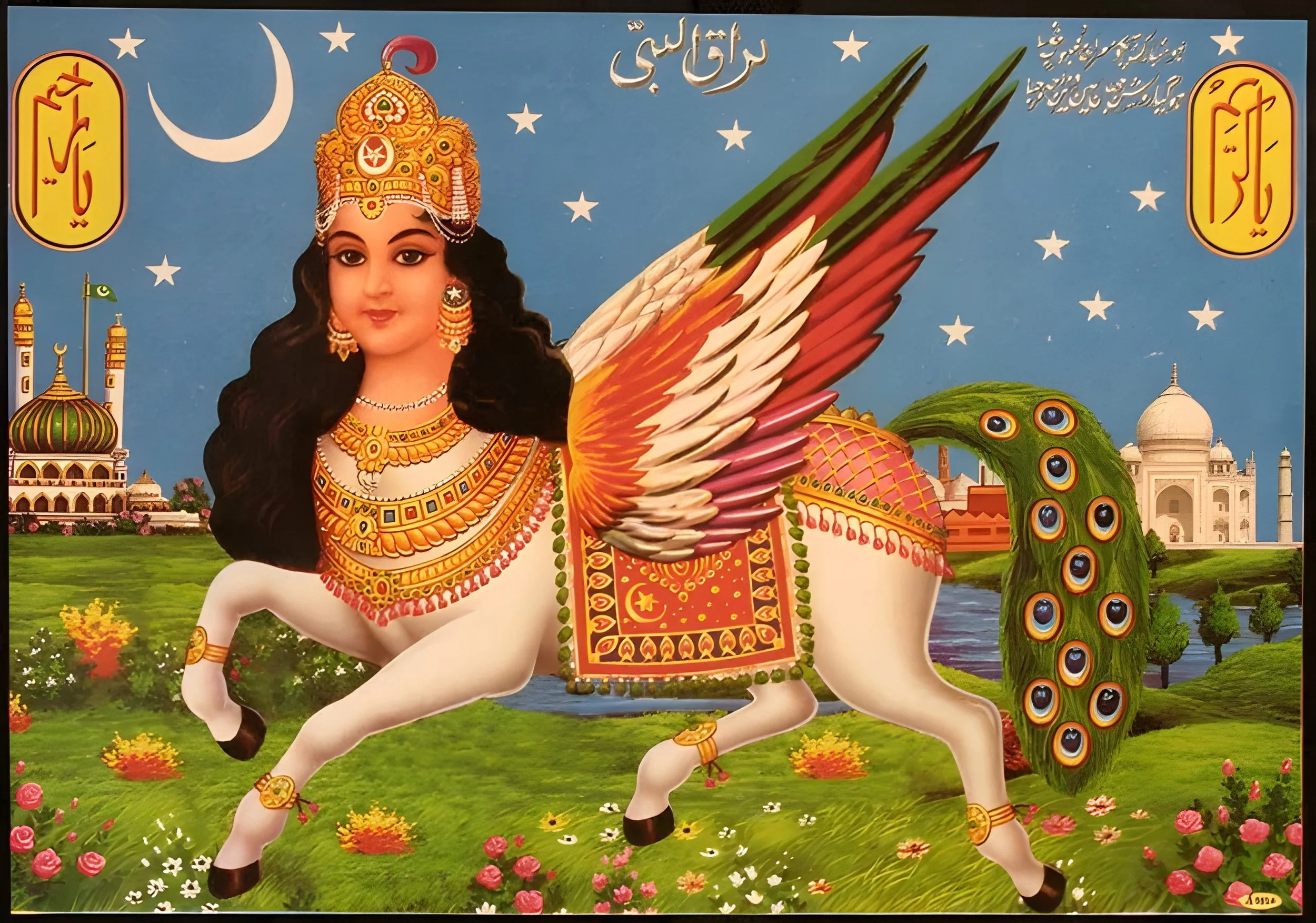
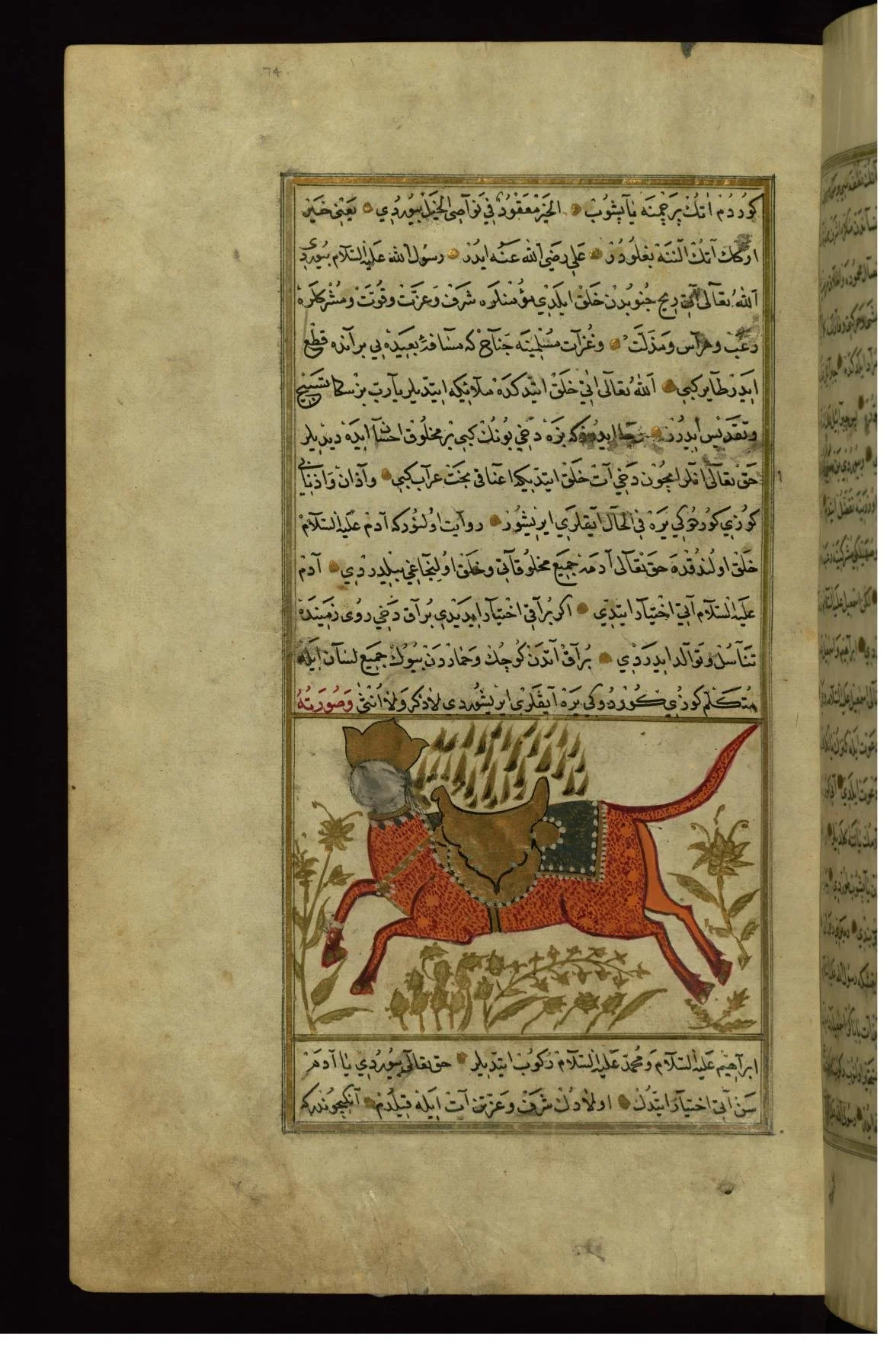
I selected three specific archival Buraq references based on their resonance with Voidpunk themes of hybridity, worship, and the "Hidden Self":
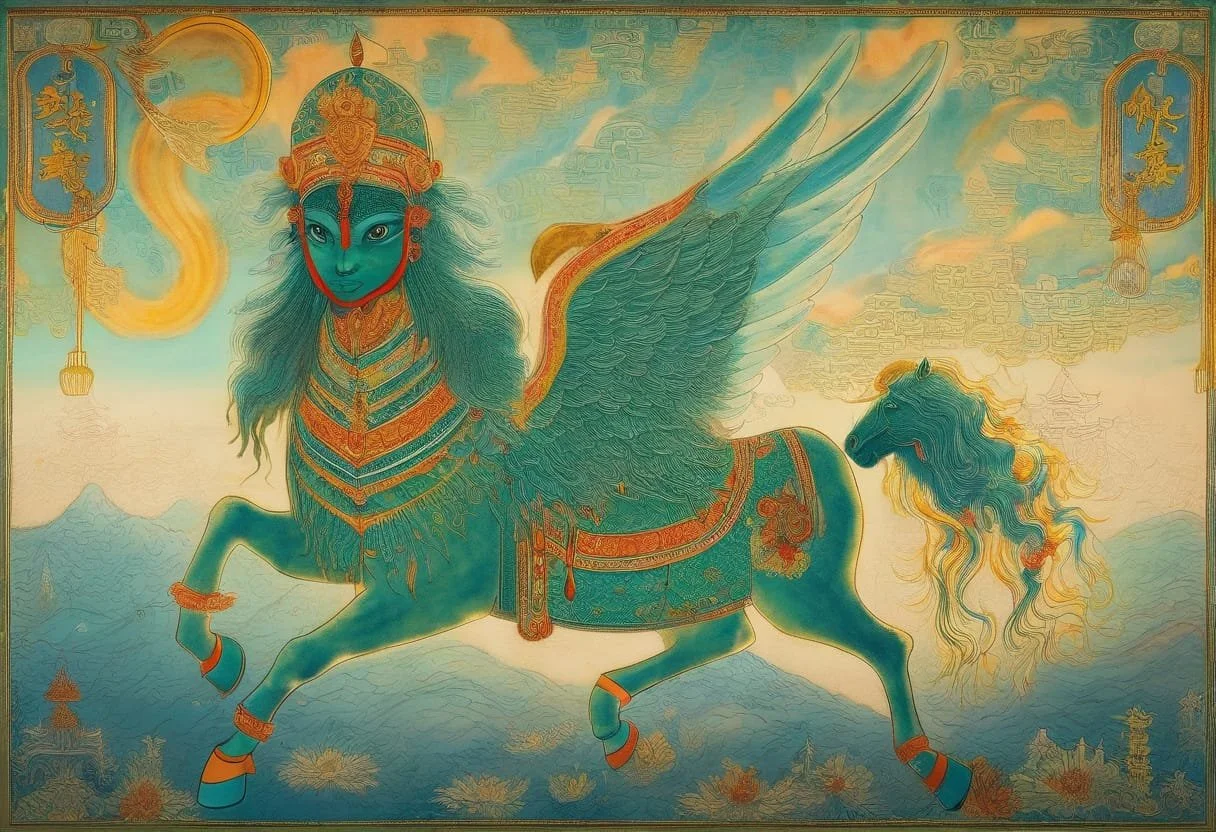
Depiction of Buraq with Stylized Flames (Ottoman Manuscript, 1717): A powerful representation of the "Hidden Prophet," focusing on the Buraq as the primary visible entity.
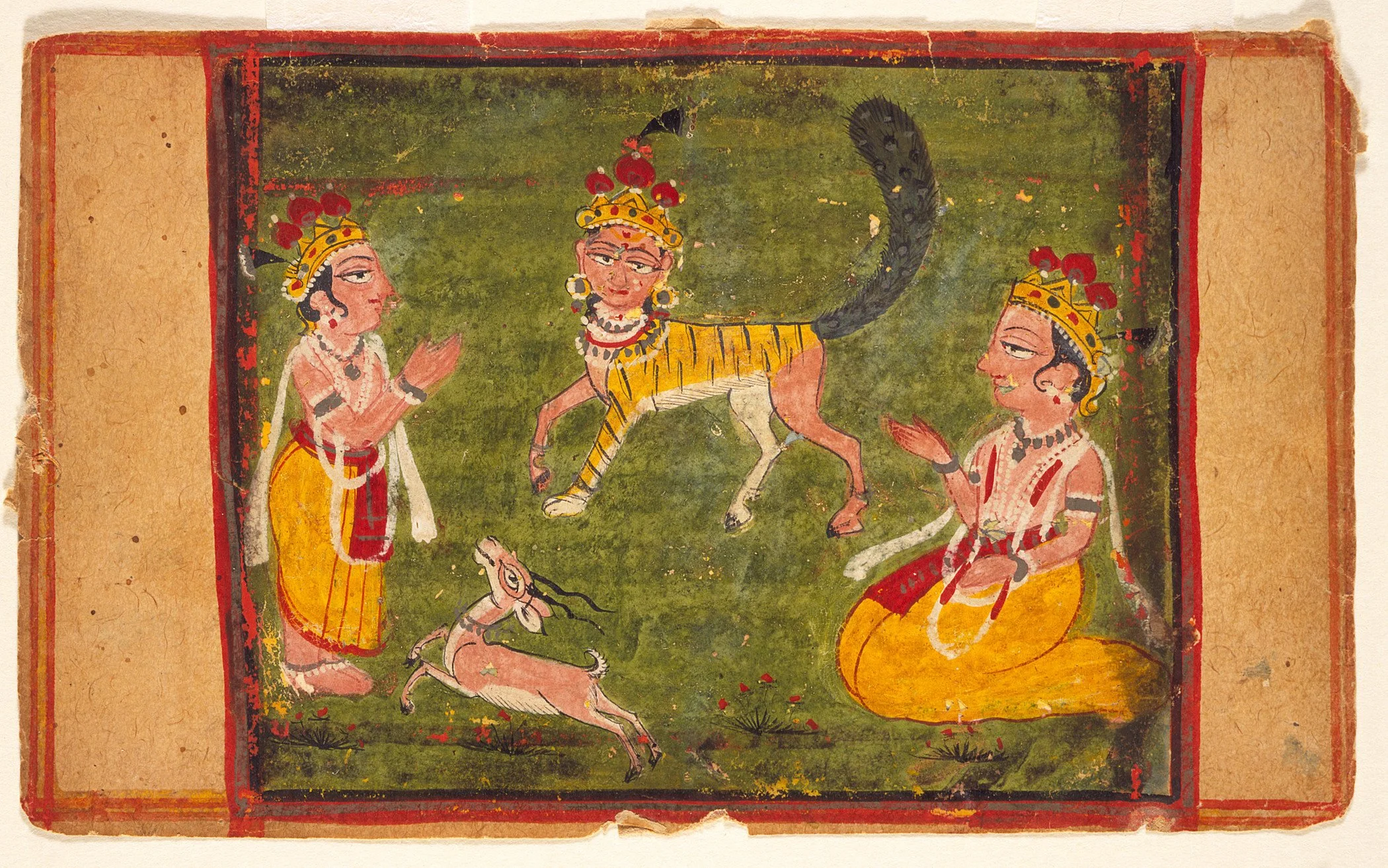
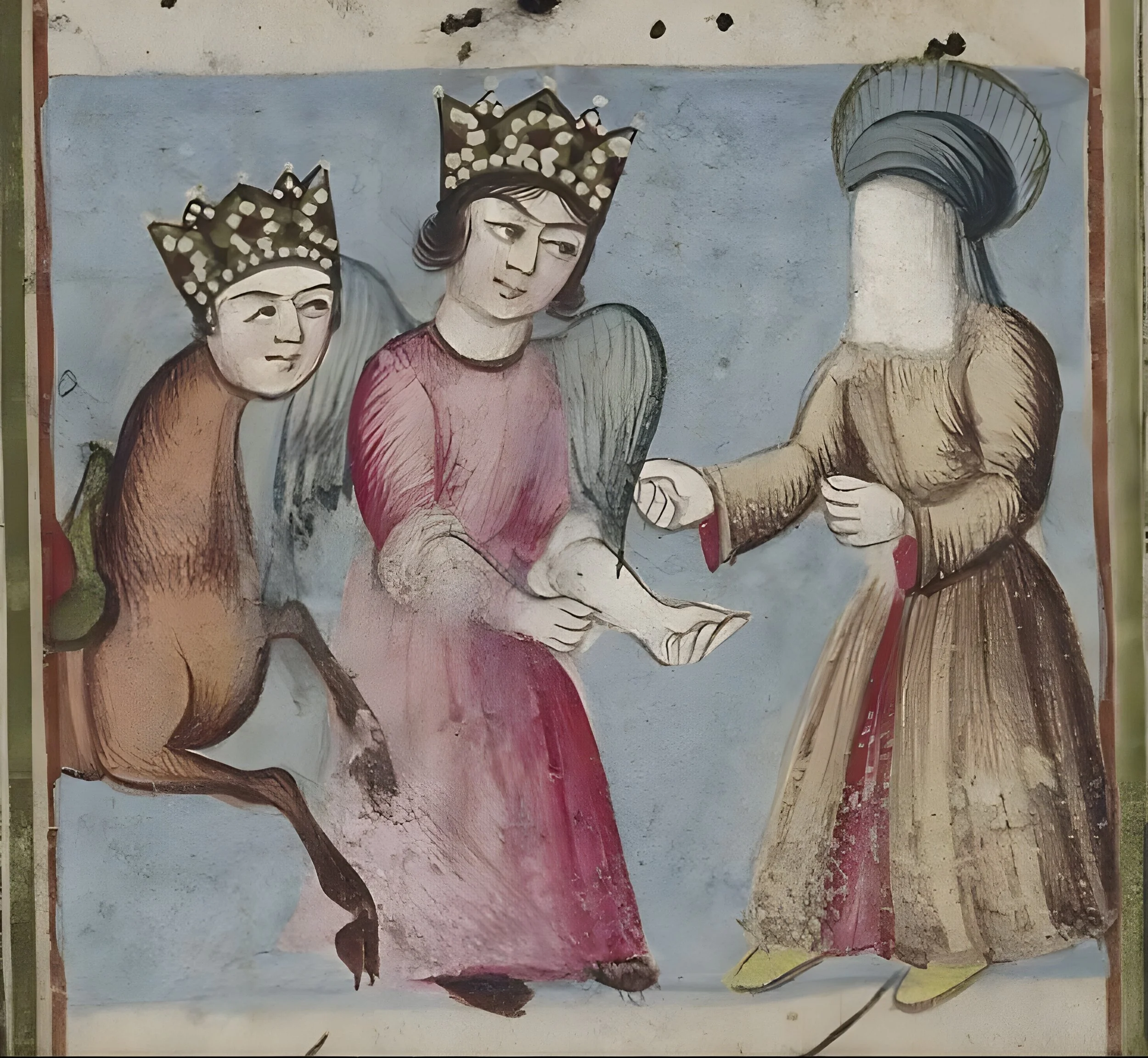
The Buraq Worshipped by Two Princes (Kashmir, 19th Century): Highlighting the reverence for the "Monster" and the sacred bond between the human and the hybrid.
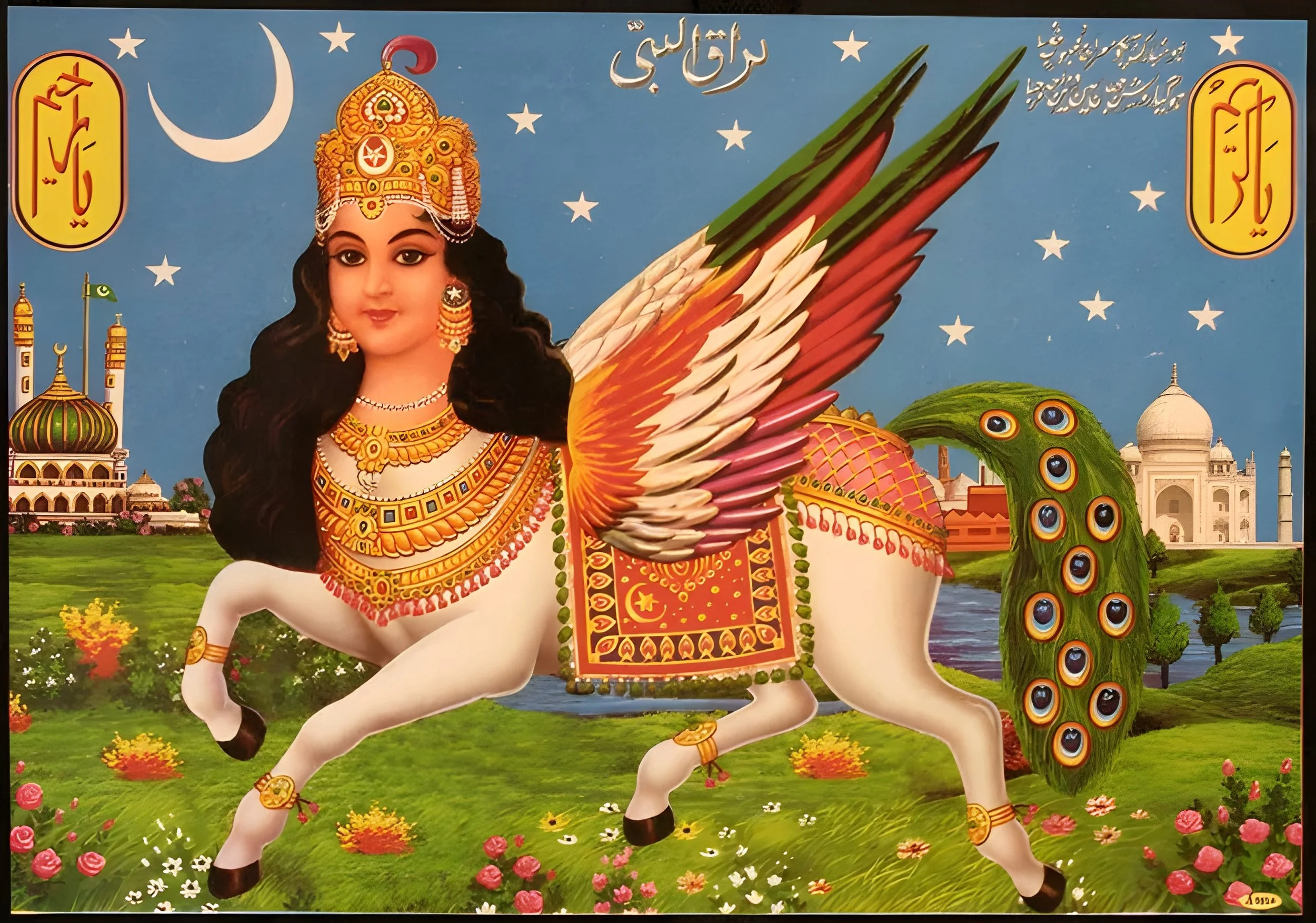
Buraq with Taj Mahal (Delhi Poster, Freitag Collection): Representing the Buraq as a cultural icon that transcends specific geography.
2. The AI Struggle (And Breakthrough)
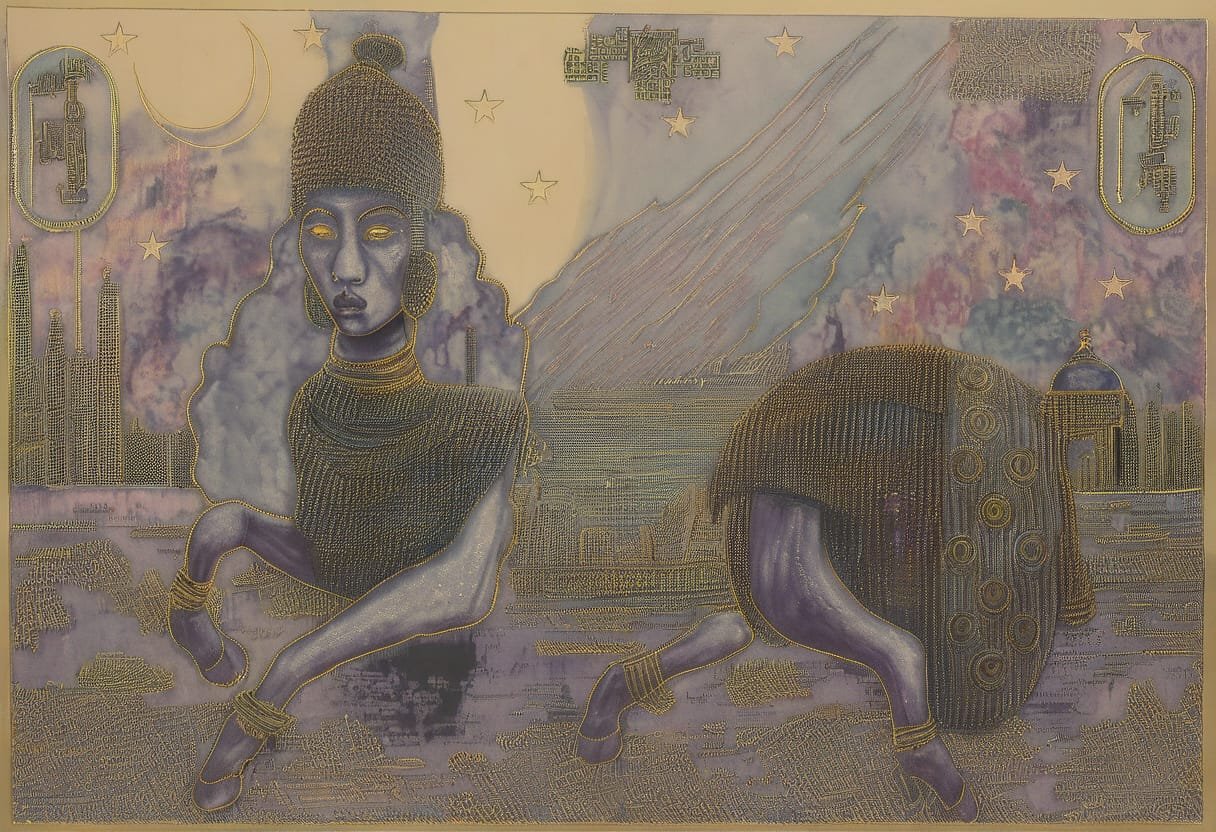
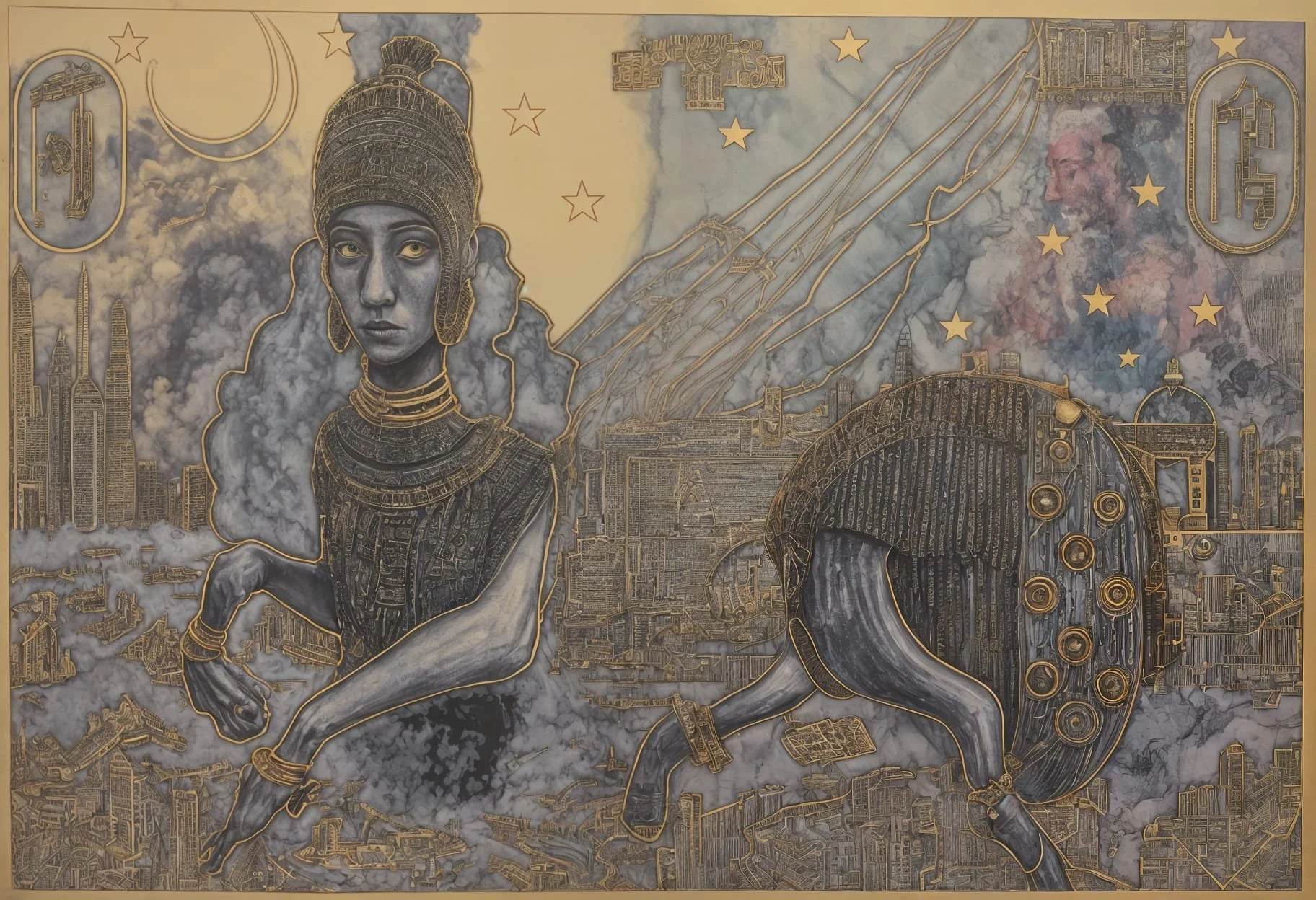
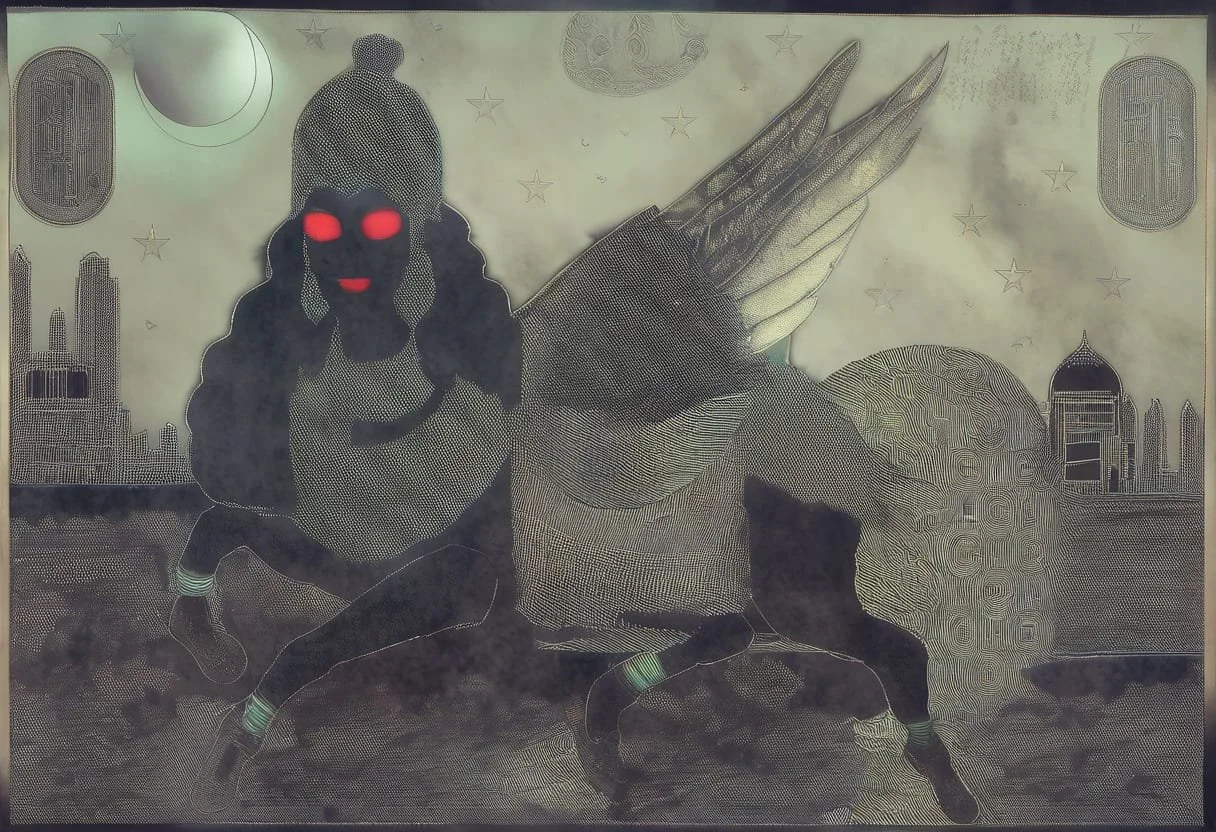
As a neurodivergent artist with aphantasia (the inability to visualize mental imagery), I use AI as a prosthetic tool to bridge the gap between the archive and my imagination. After initial generations produced generic "fantasy" tropes that ignored the archive’s soul, I developed a precise technical workflow:
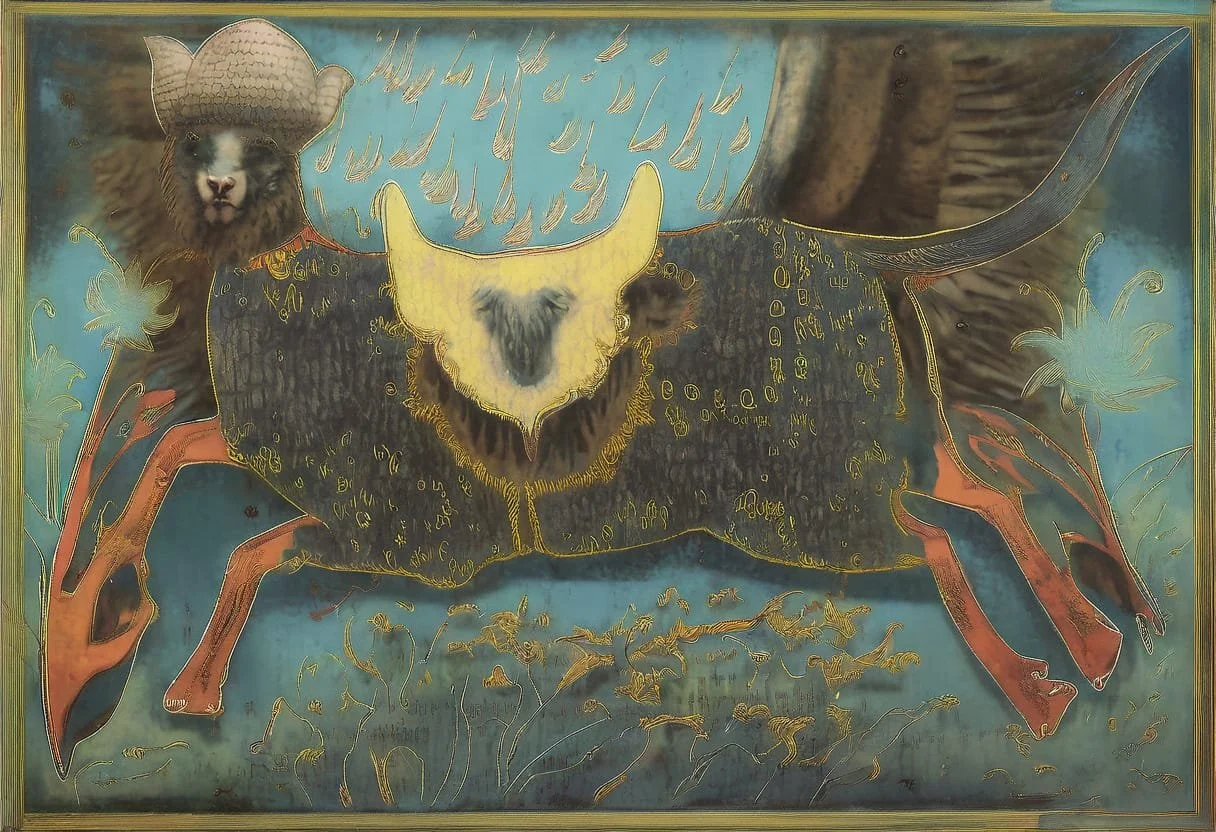
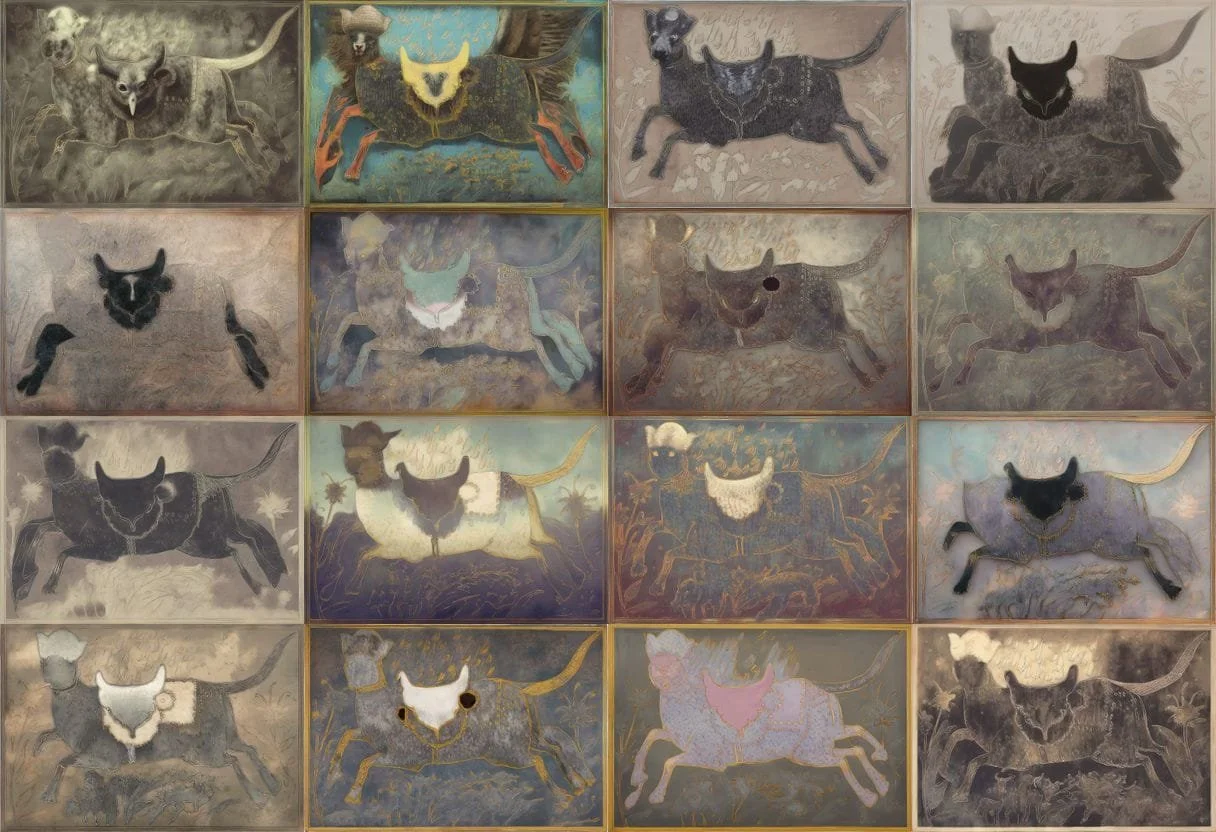
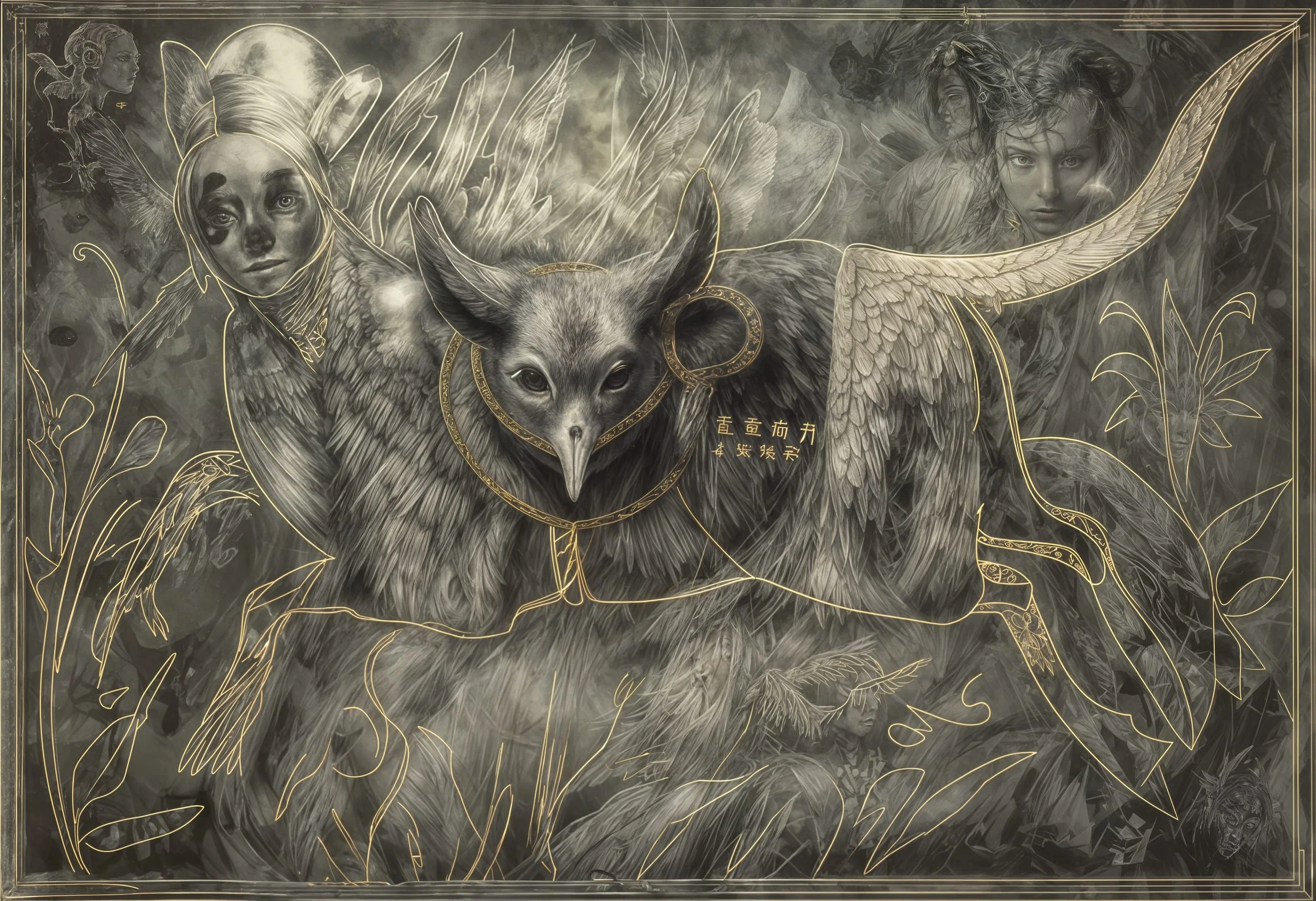
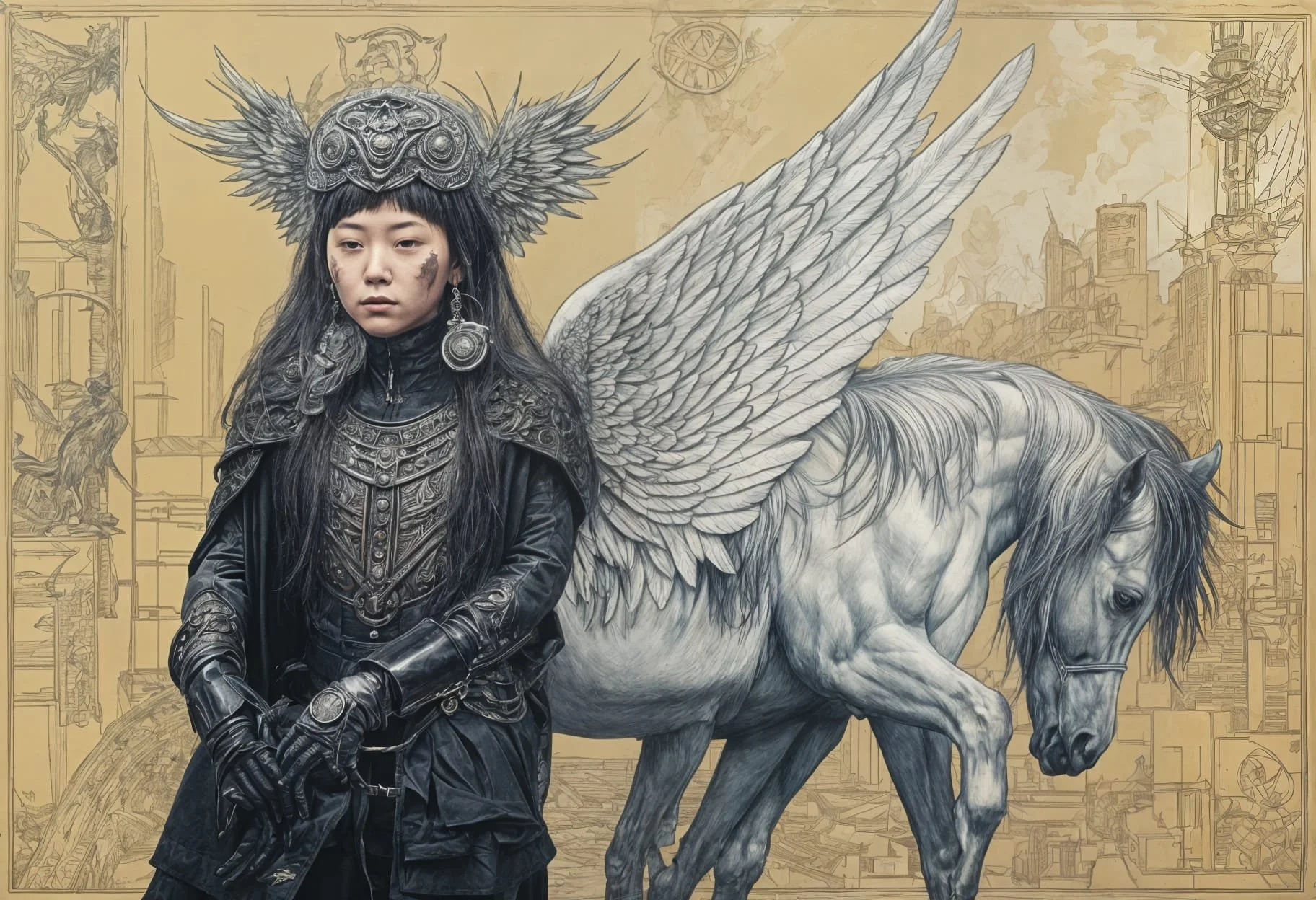
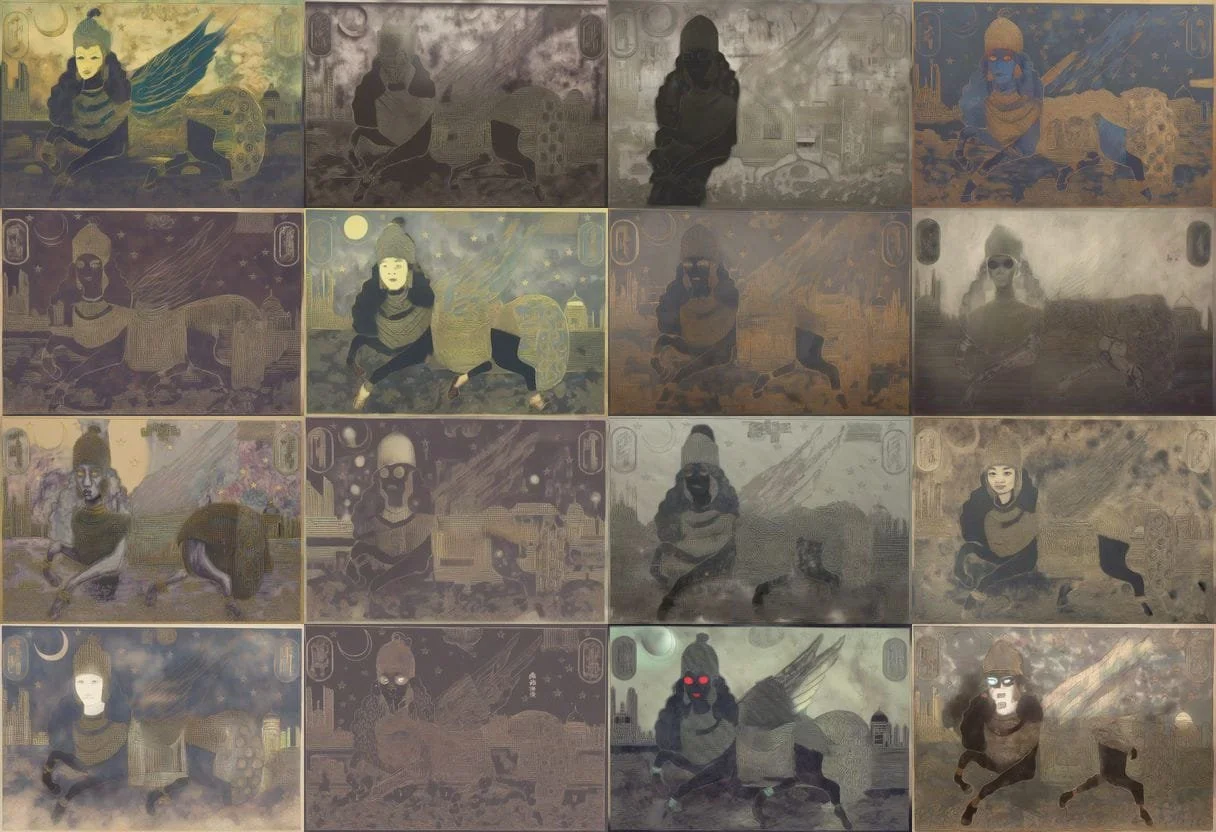
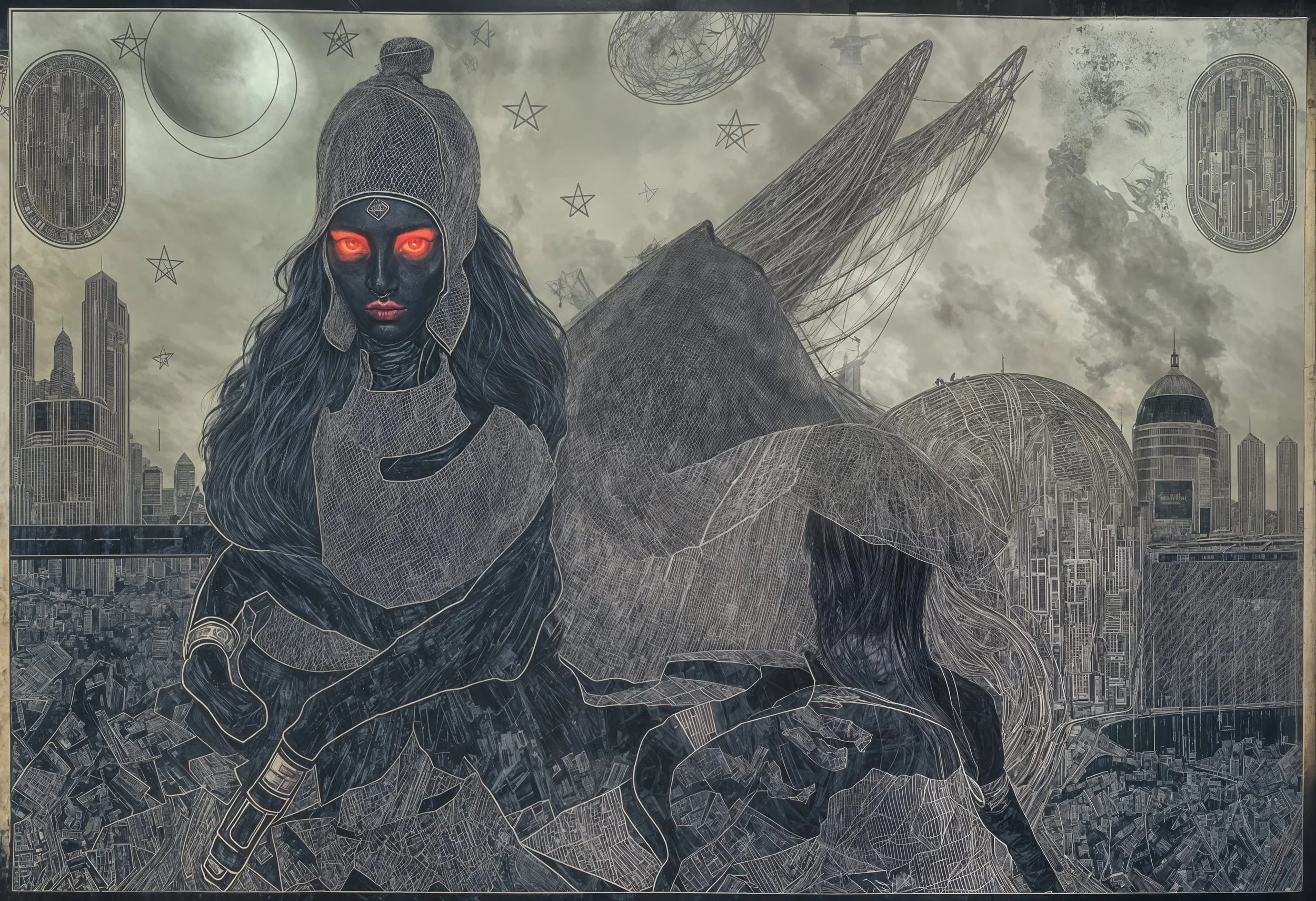
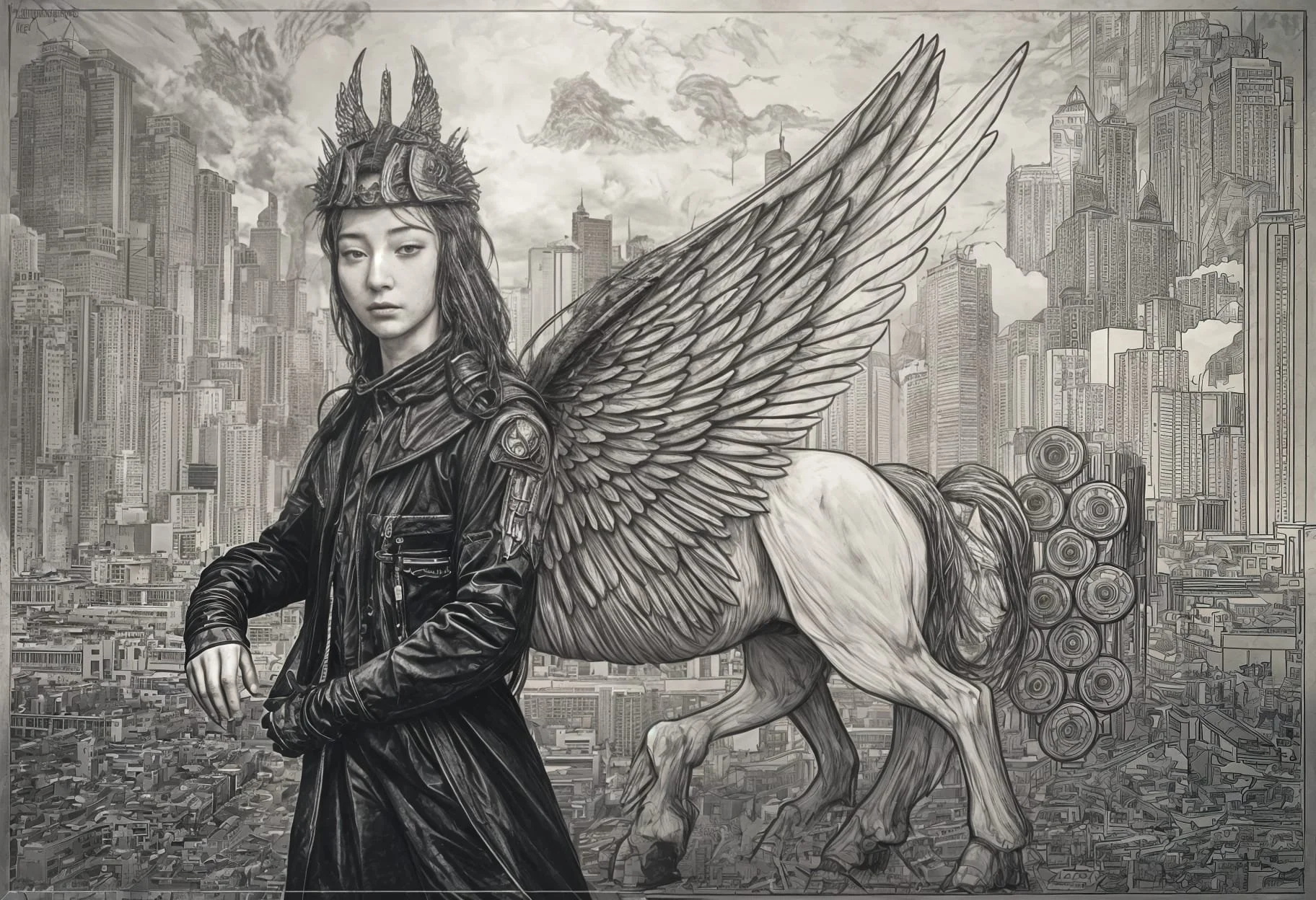
ControlNet Edge Mapping: I used Canny edge detection to extract the skeletal outlines of these specific 18th and 19th-century manuscript forms.
Precision Prompting (SDXL 1.0):
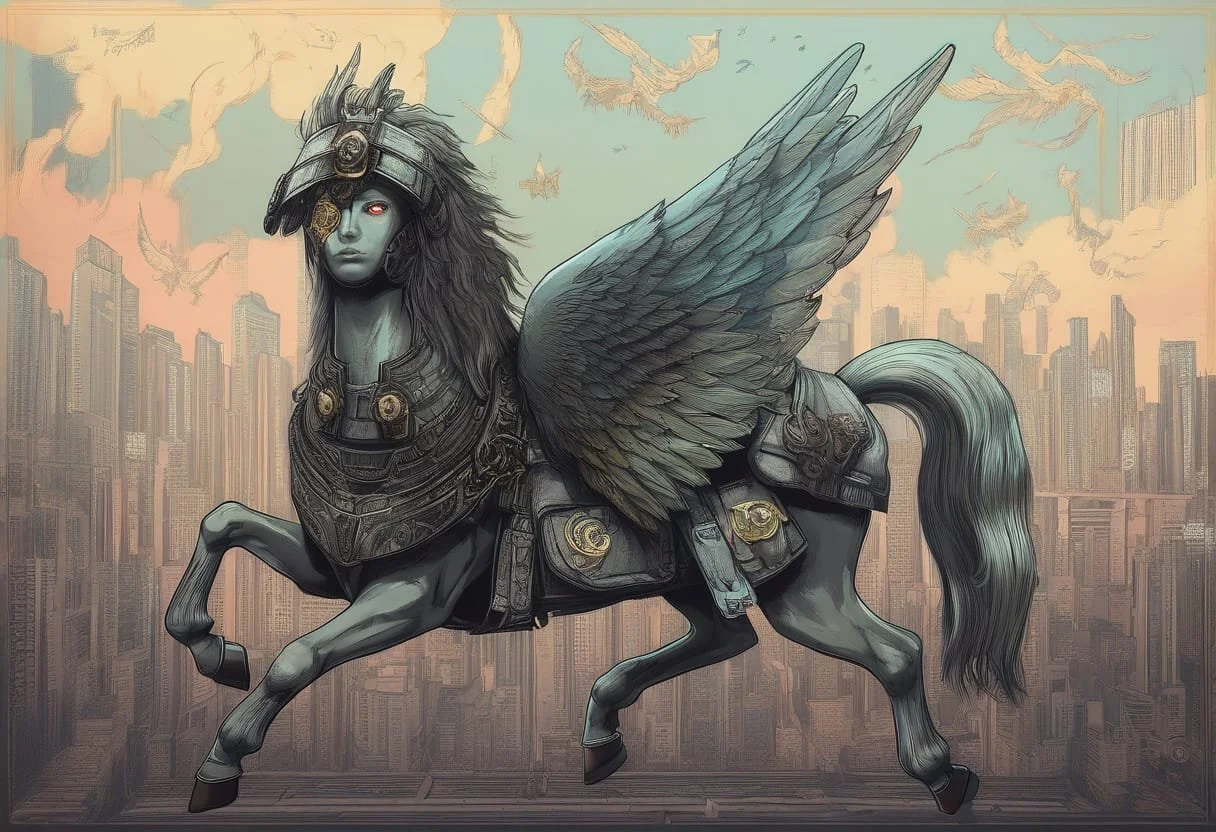
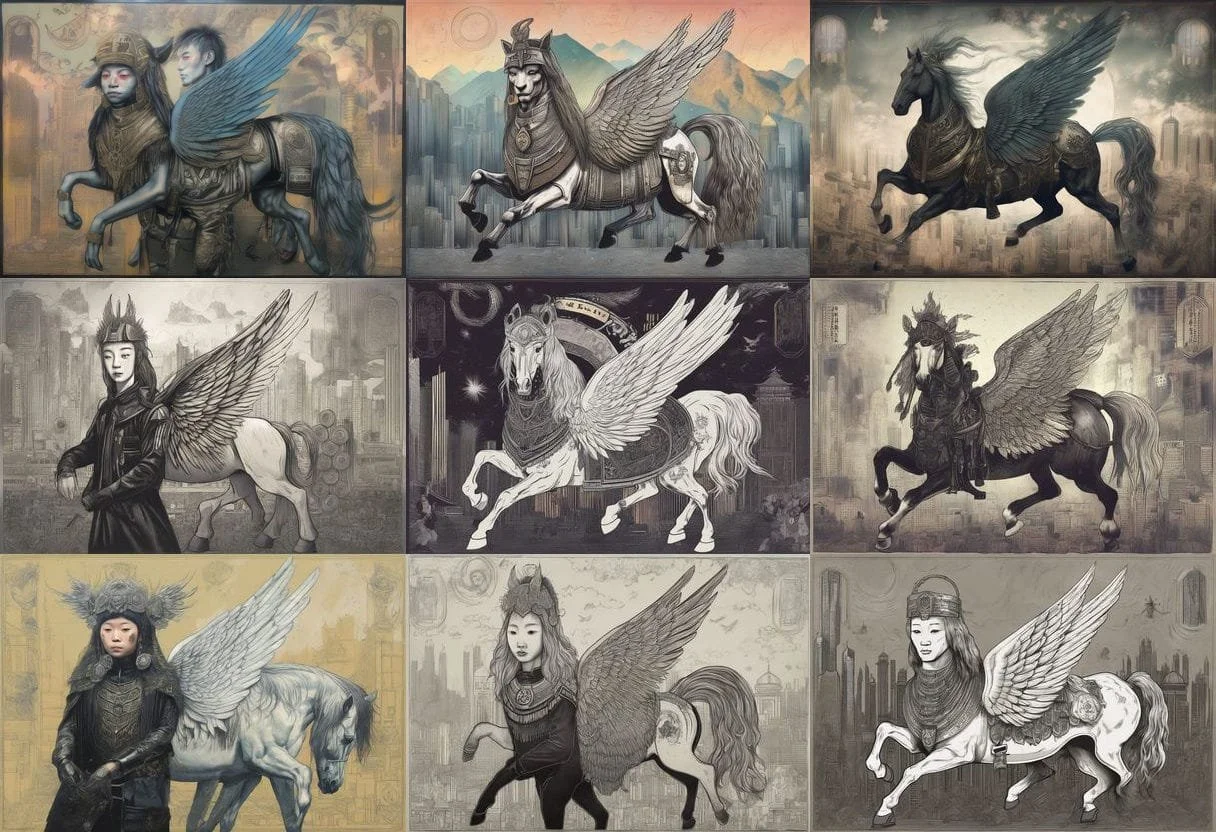
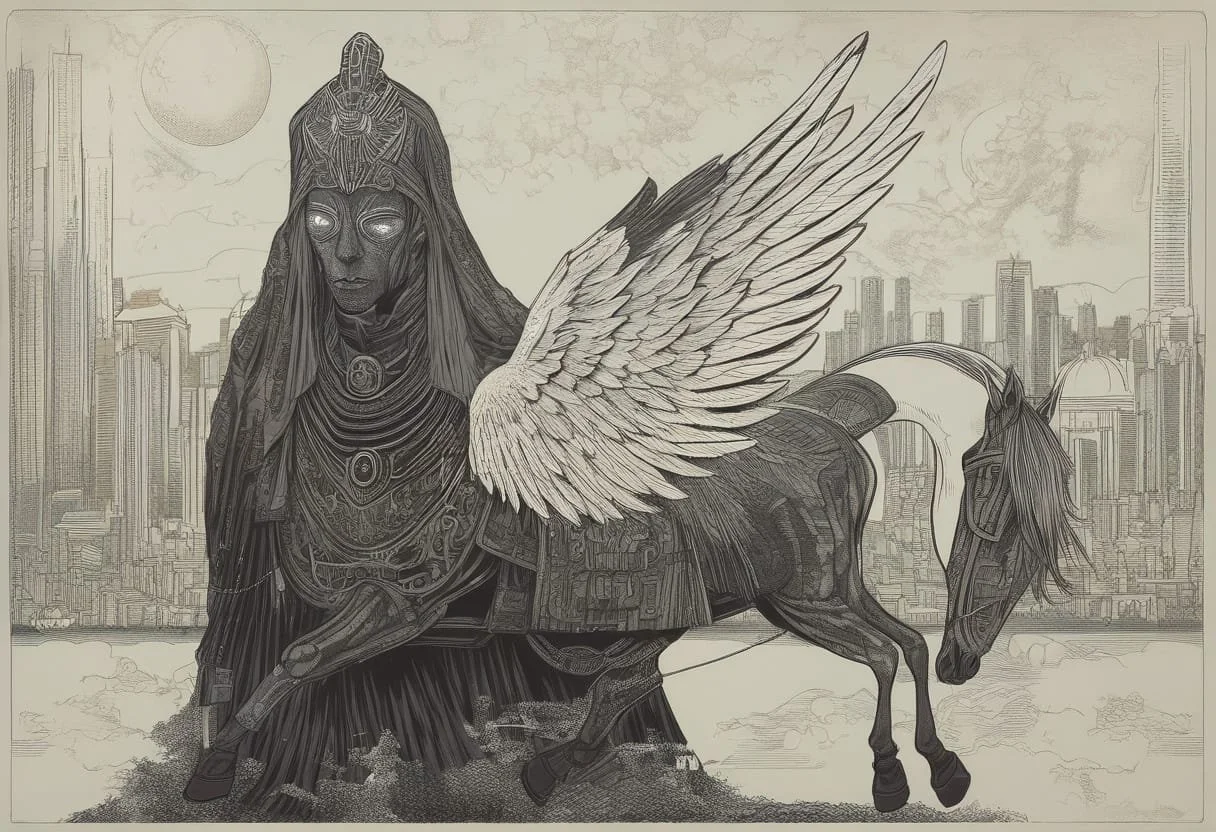
"18th-century Ottoman ink textures + biomechanical wing structures + Hong Kong urban liminality"
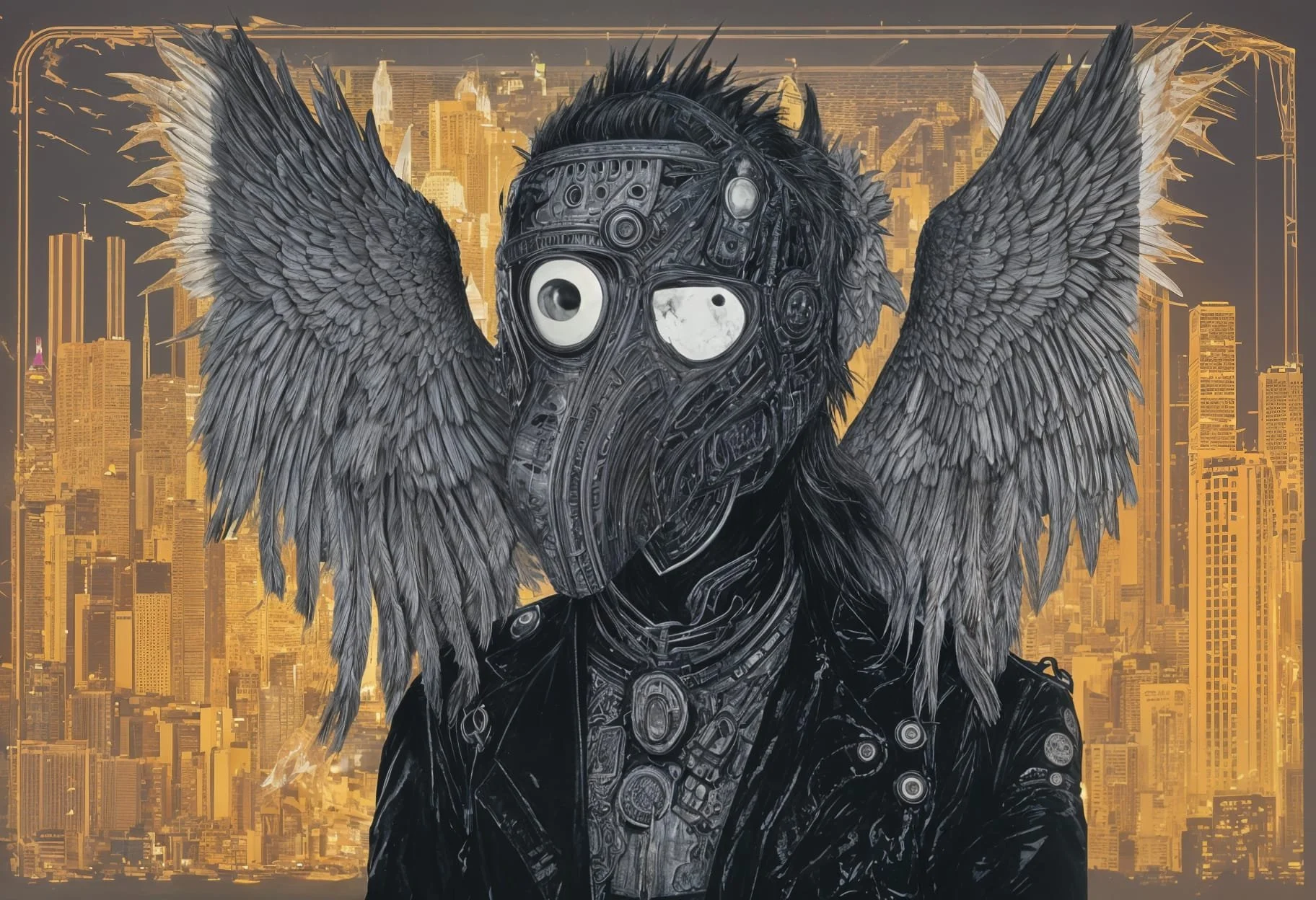
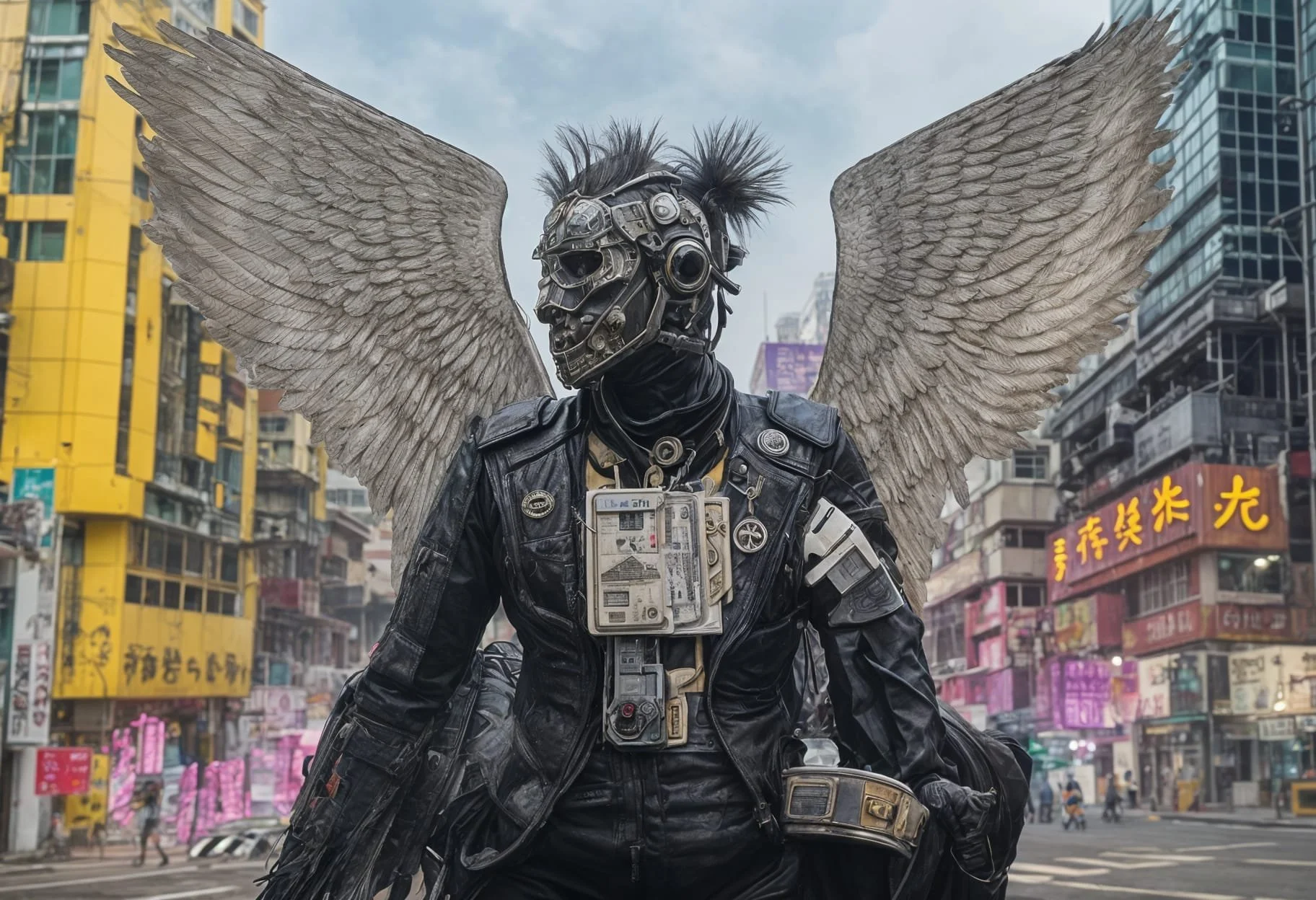
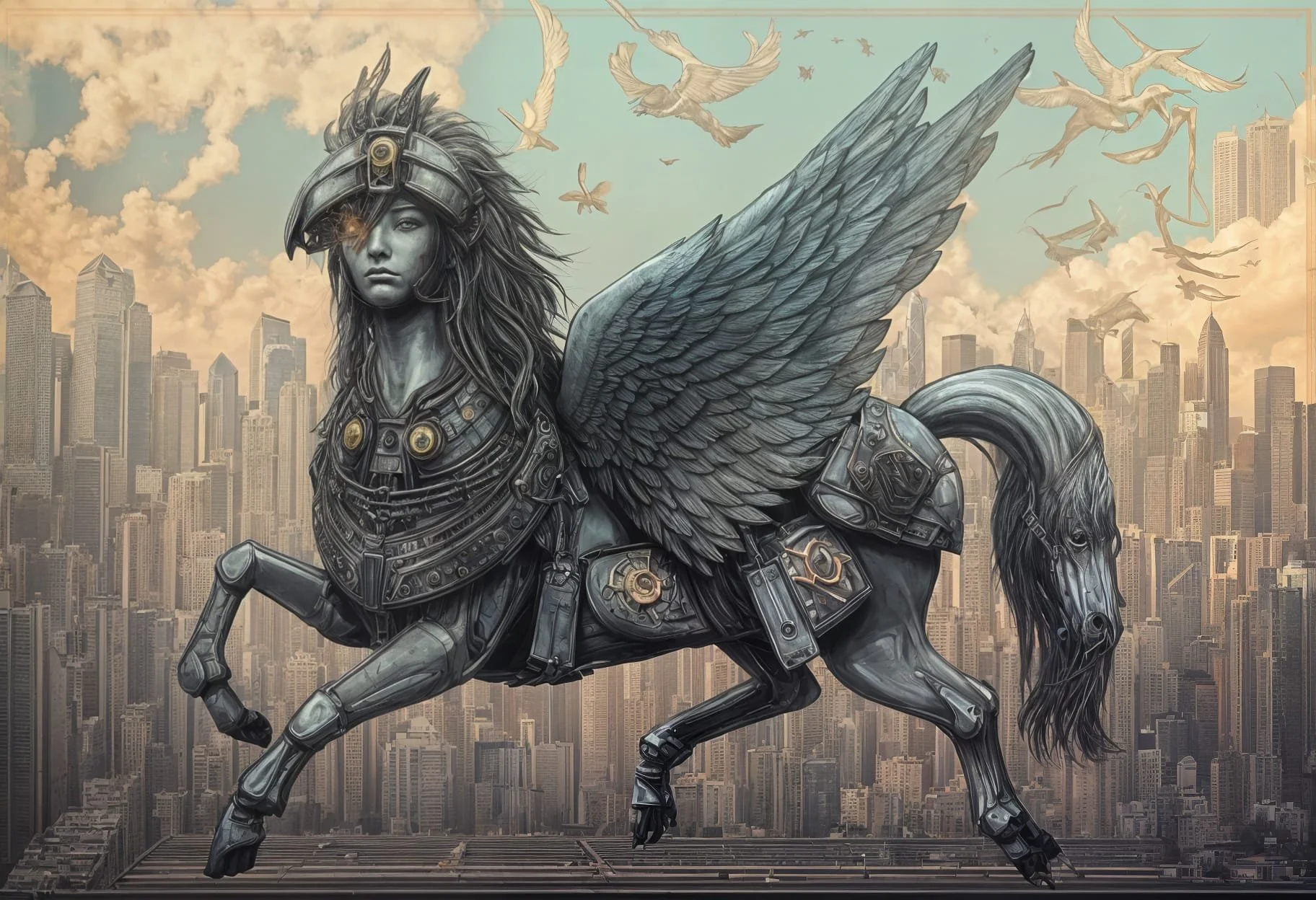
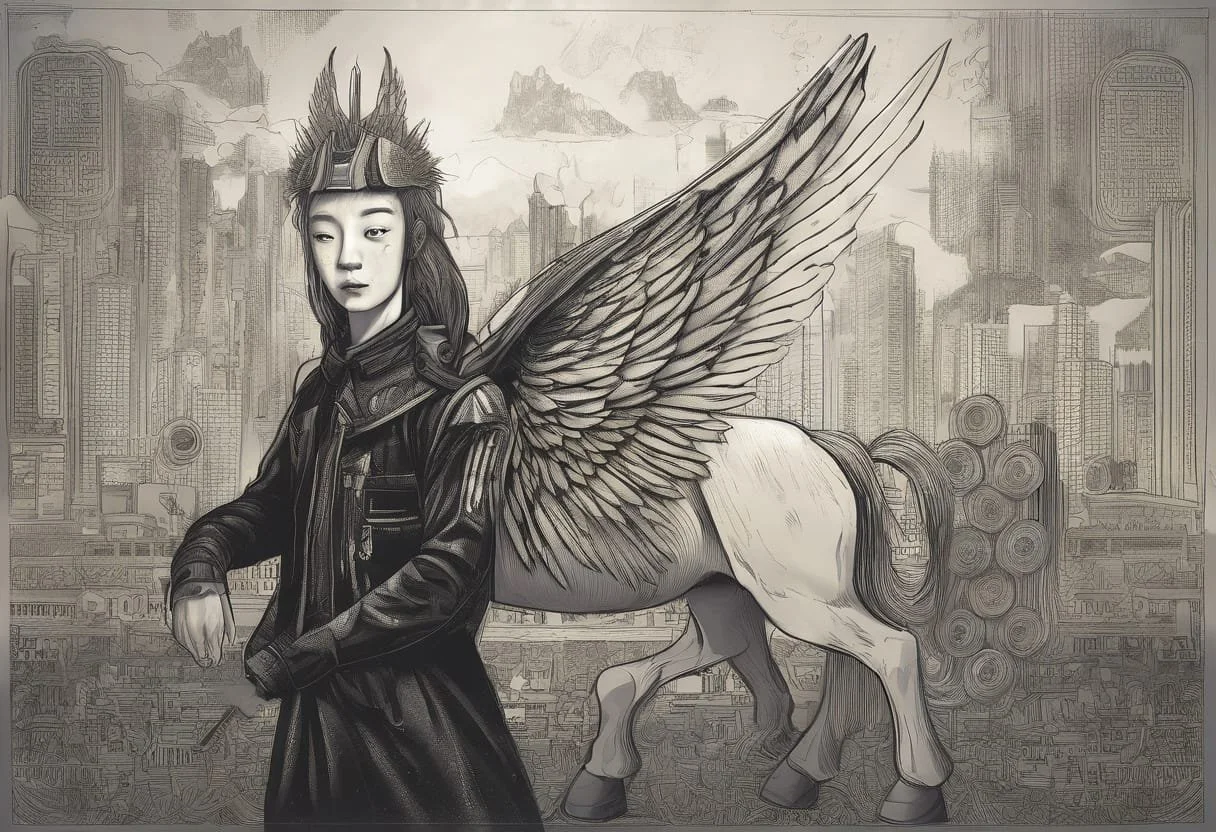
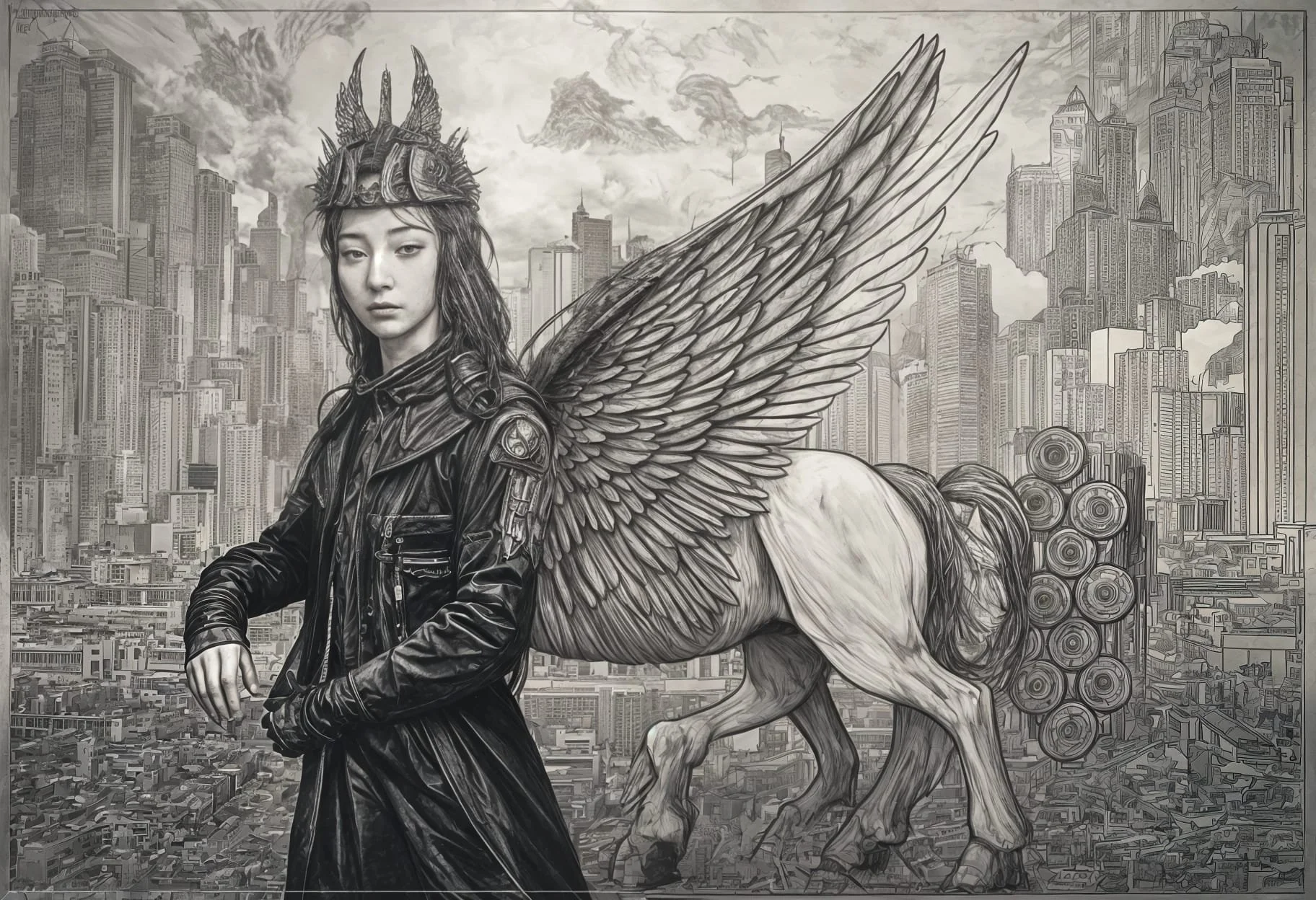
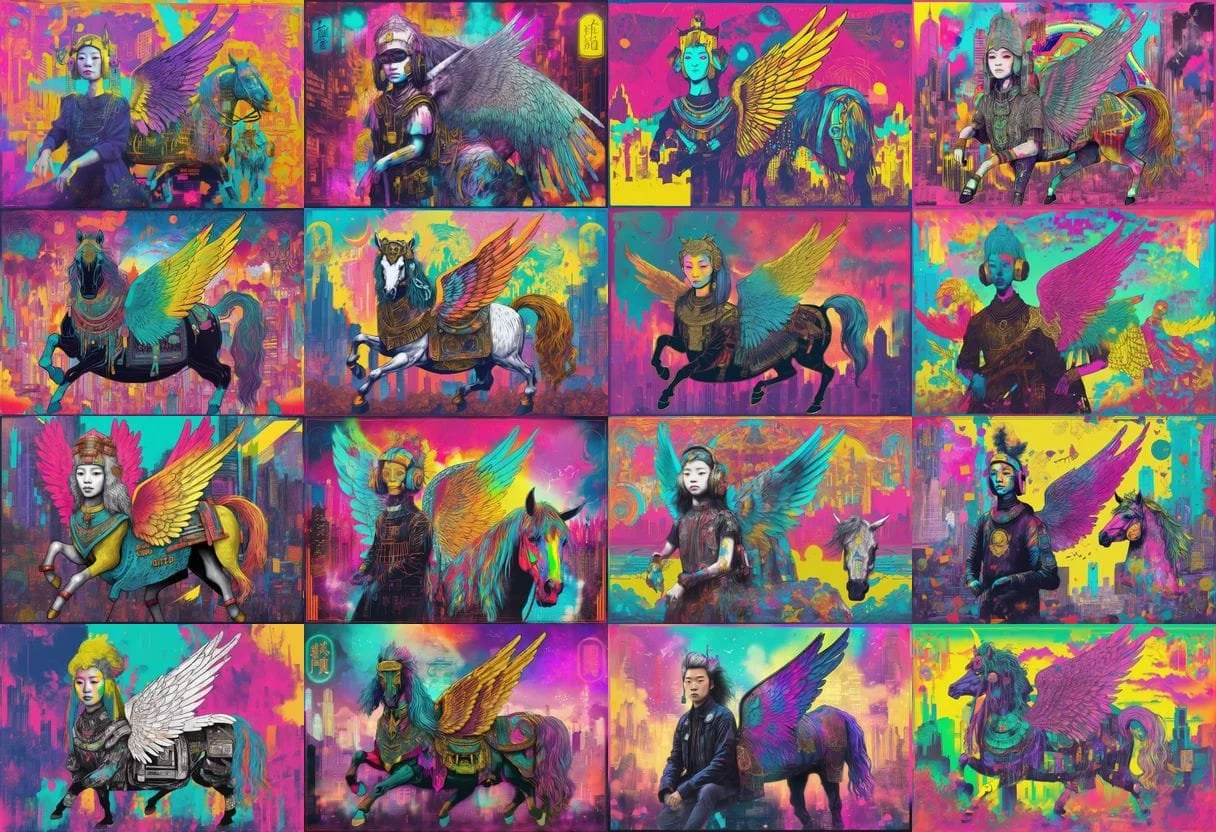
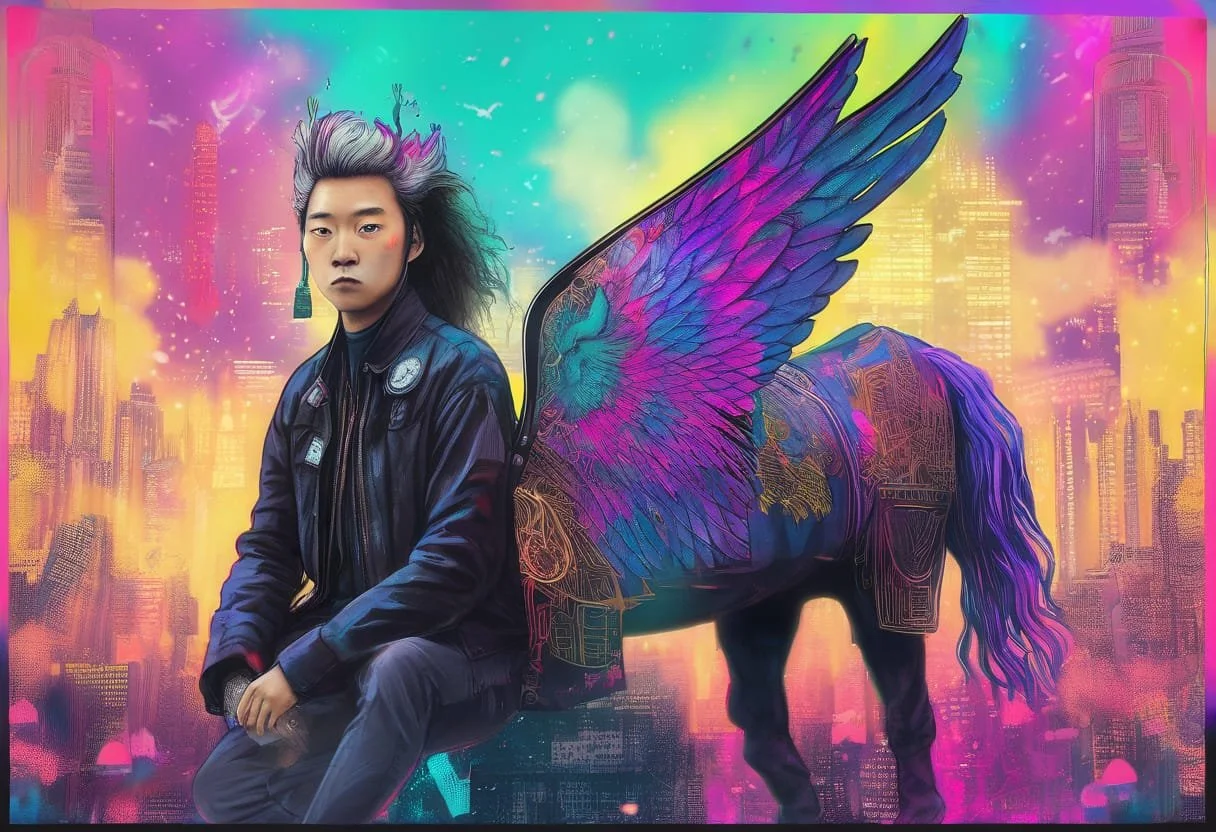
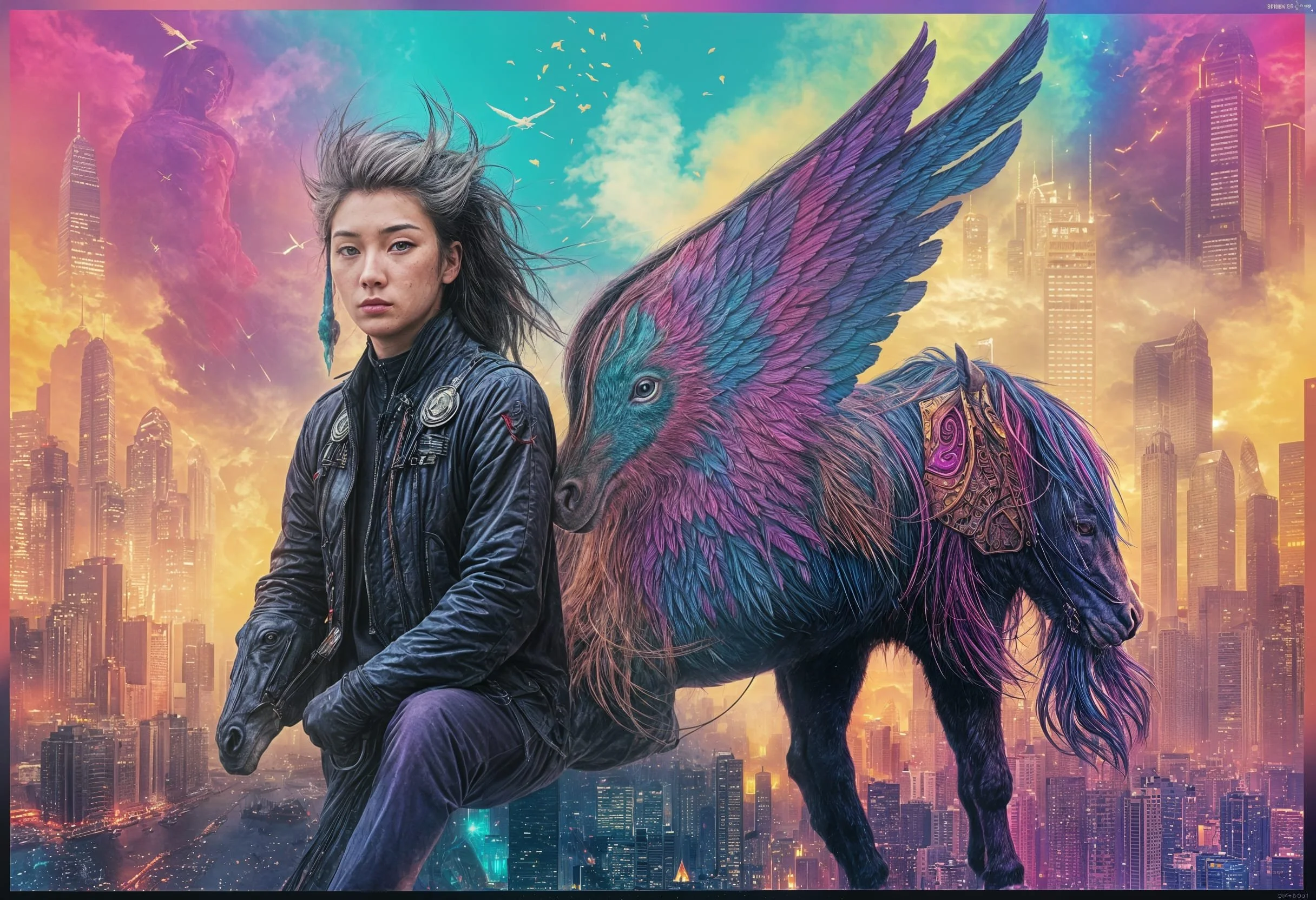
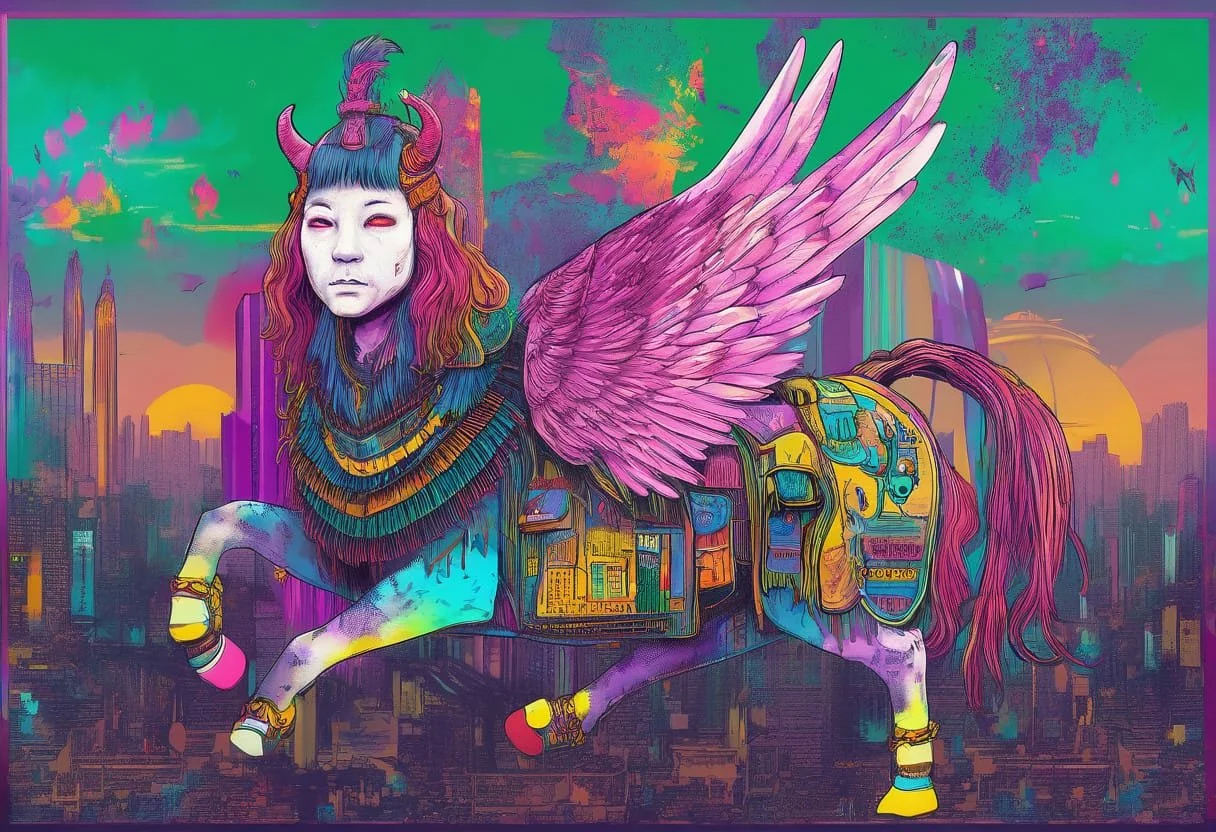
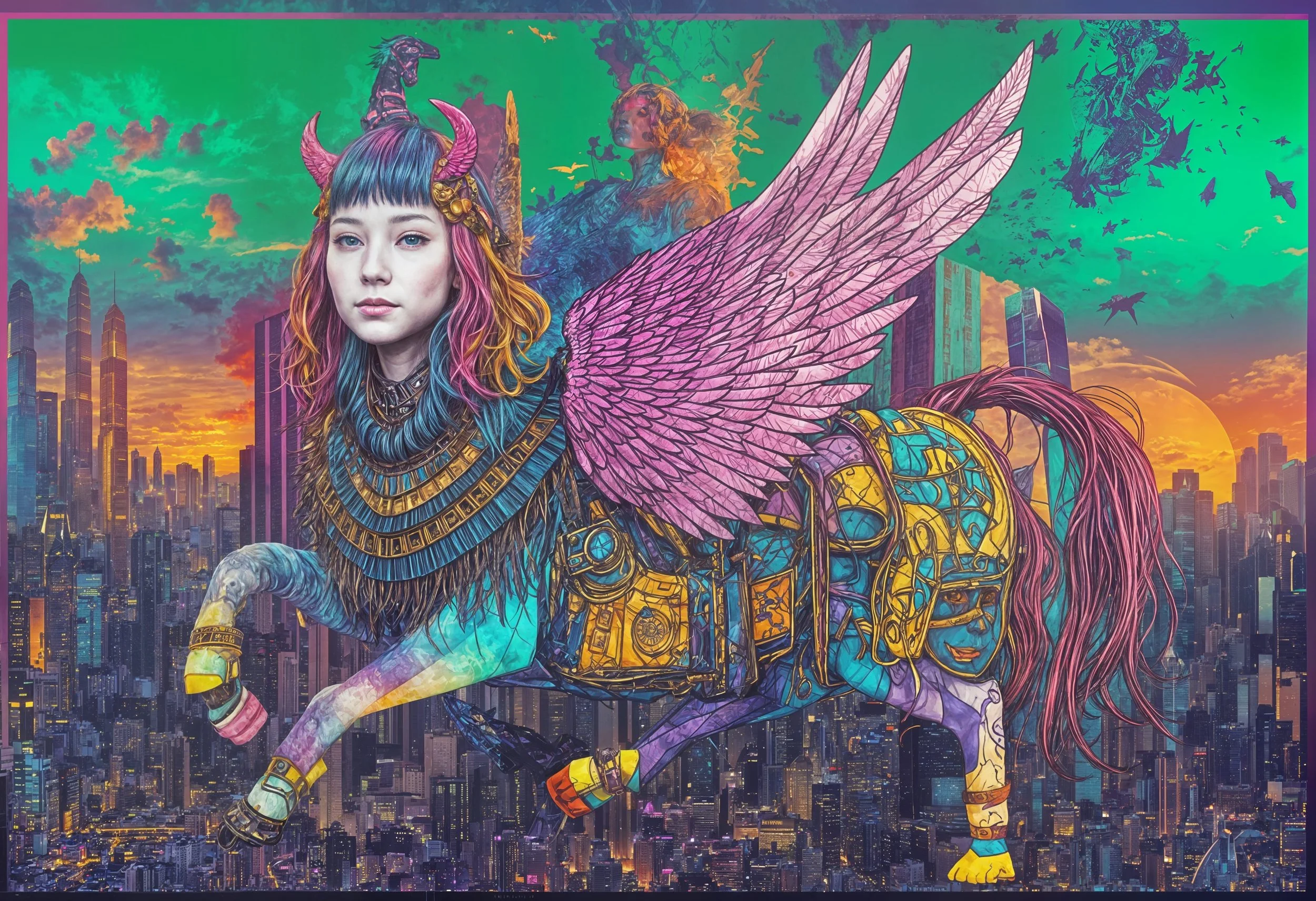
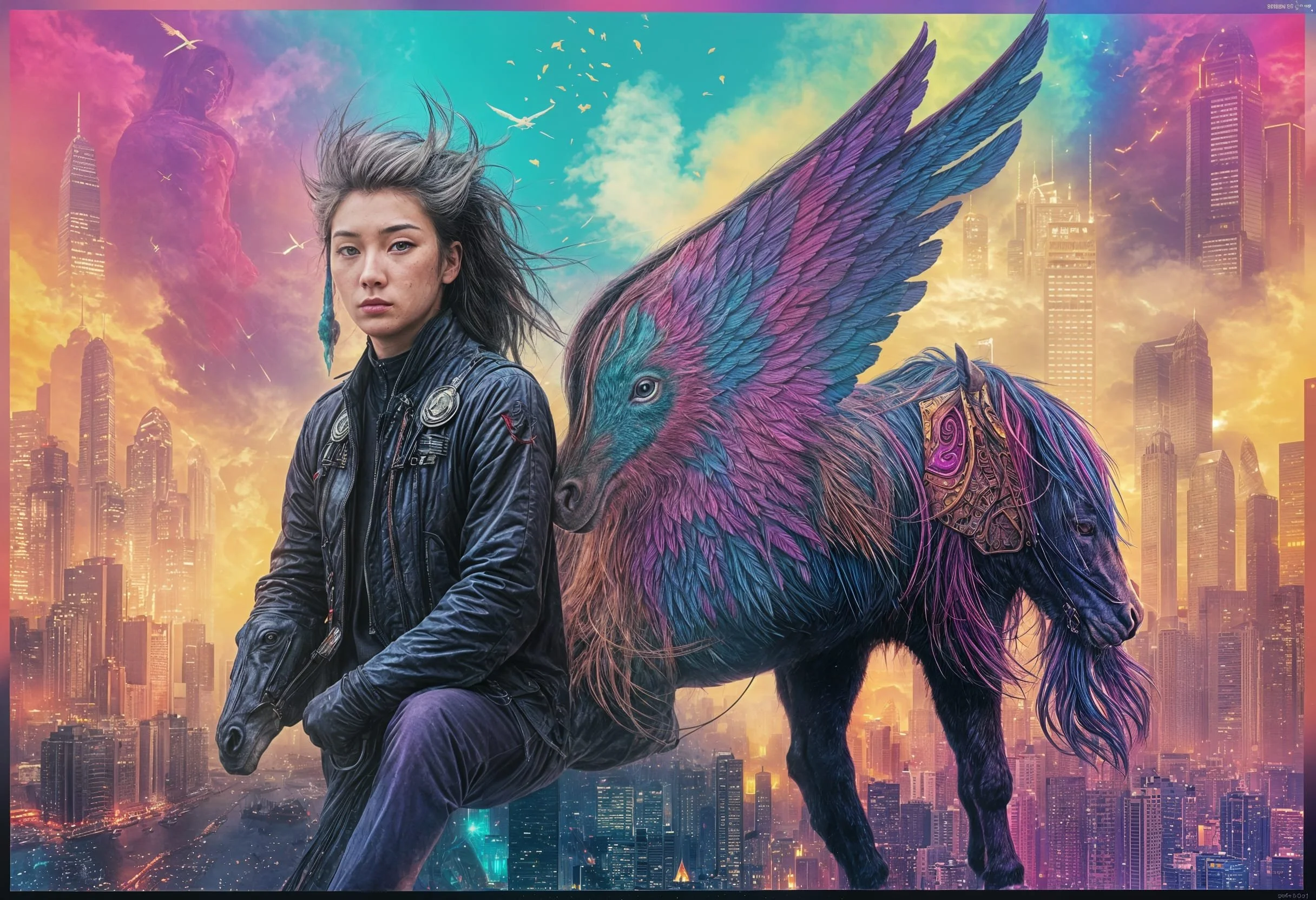
“Portrait of Voidpunk with human face, angelic wings, and a horse body in Hong Kong”
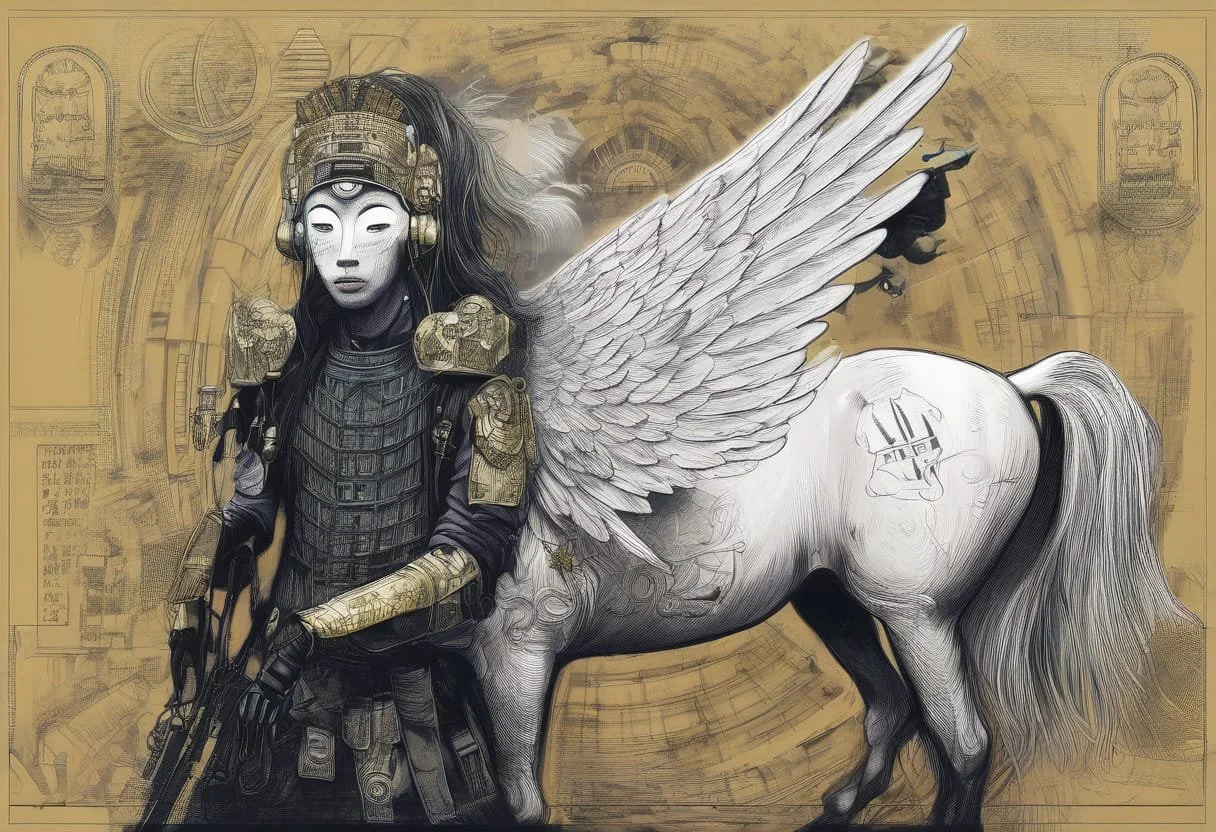
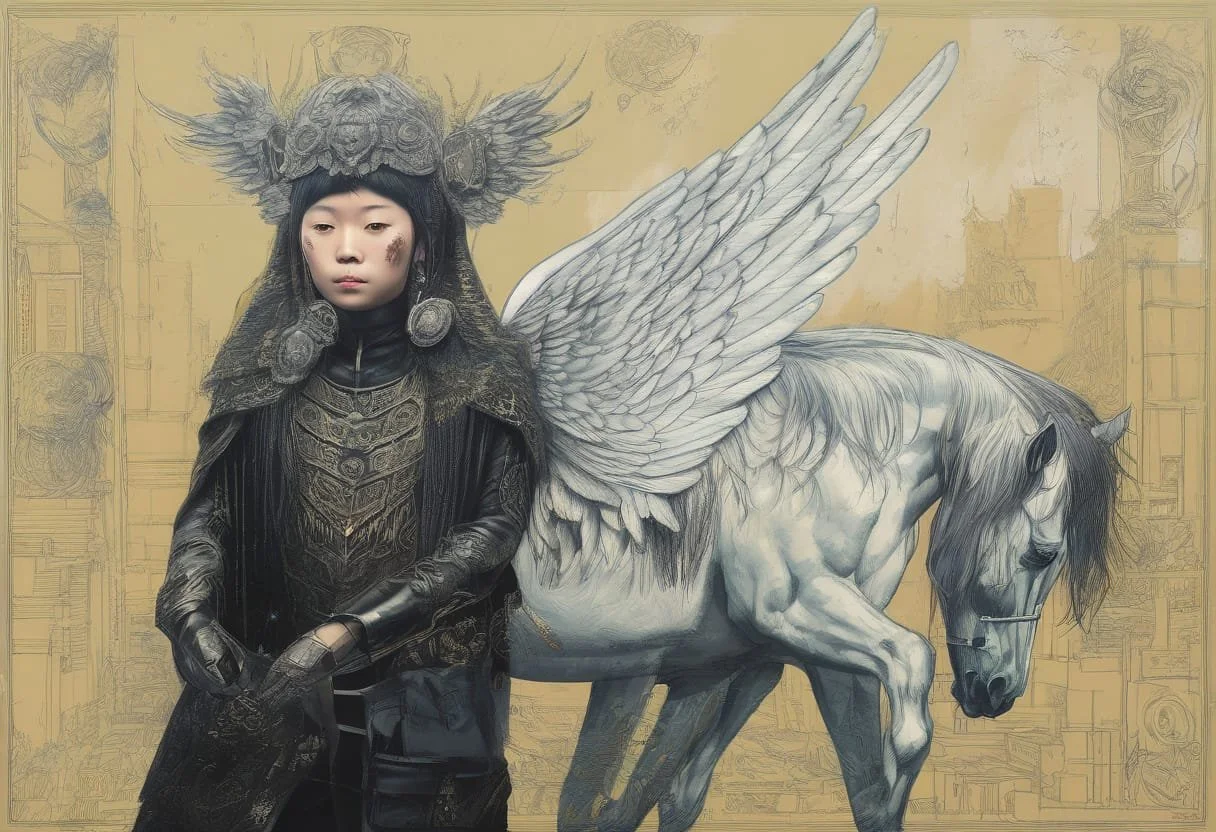
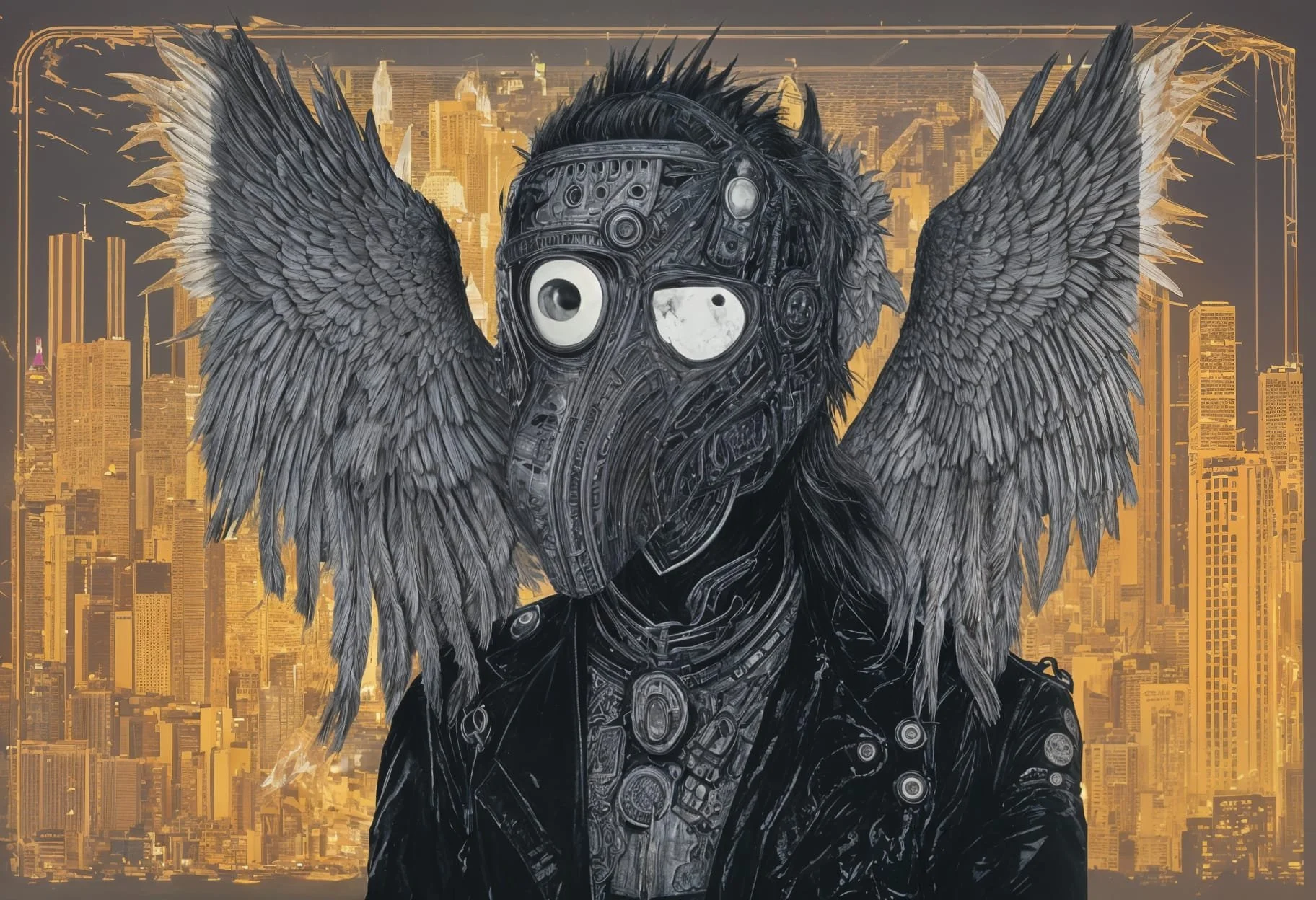
"Kashmiri-inspired hybrid with a porcelain human mask and stylized flame aura"
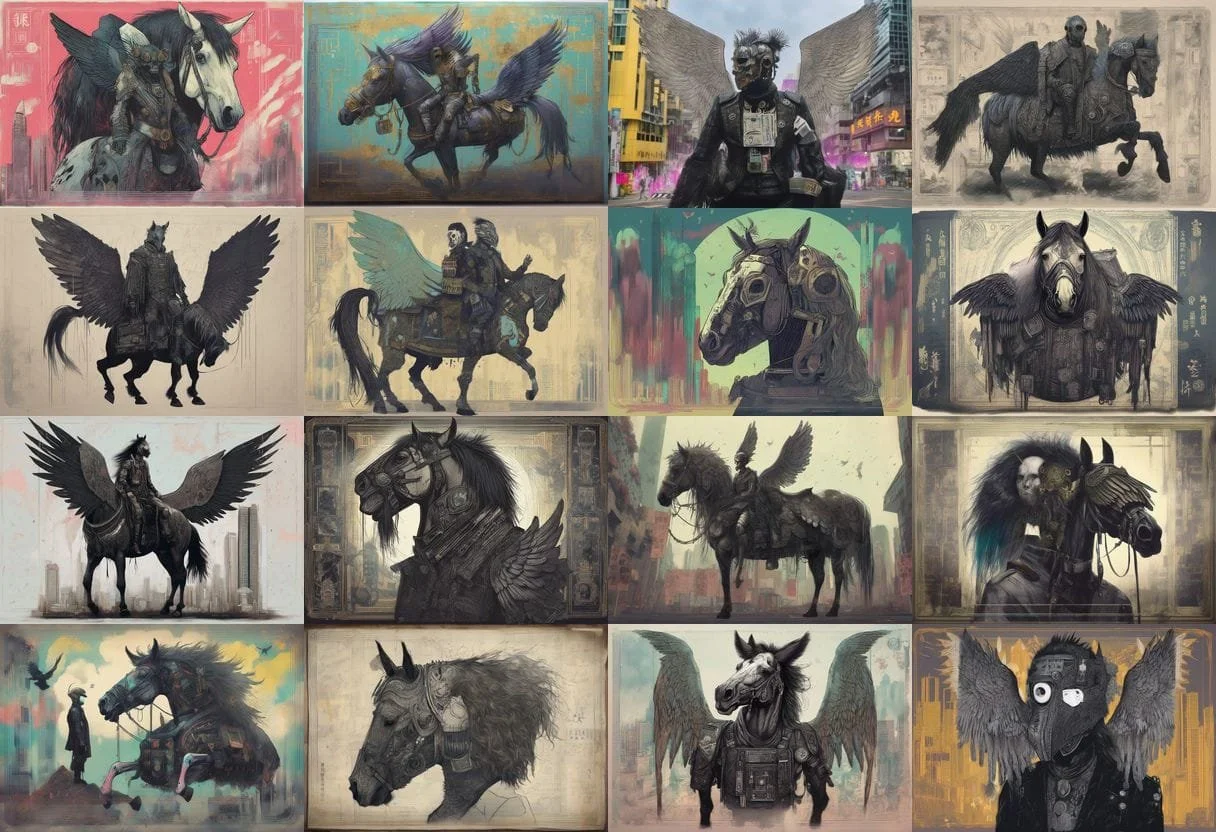
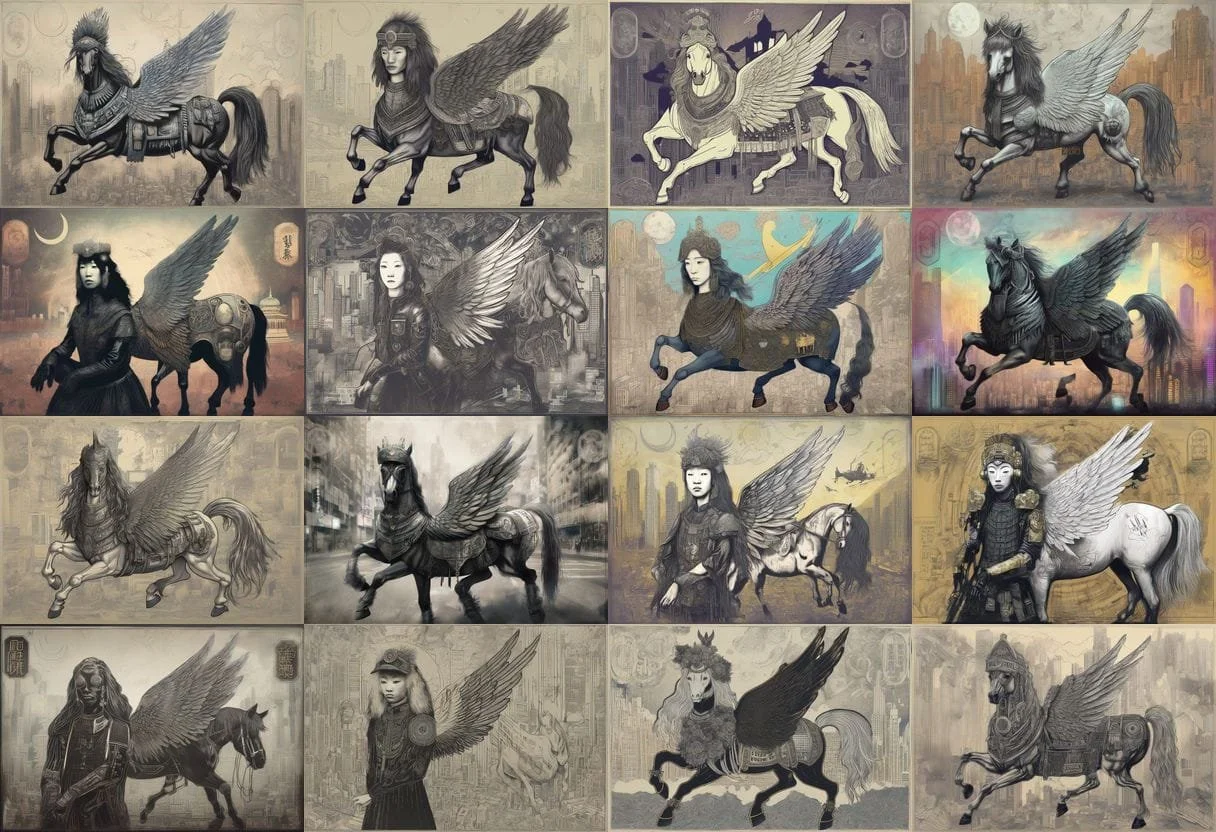
Ruthless Curation: Only 10 refined "Matchmaking Profiles" were selected from hundreds of iterations.
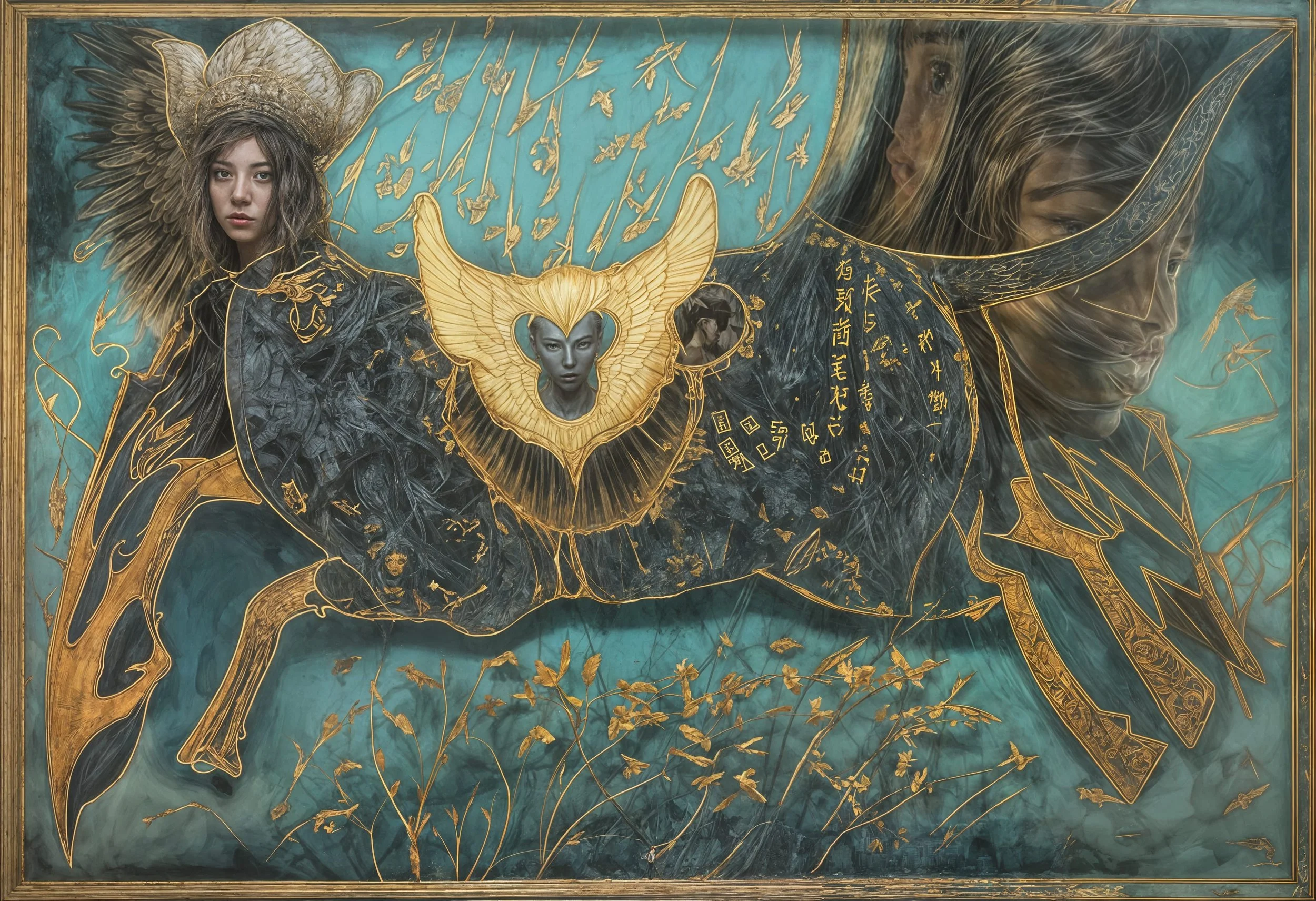
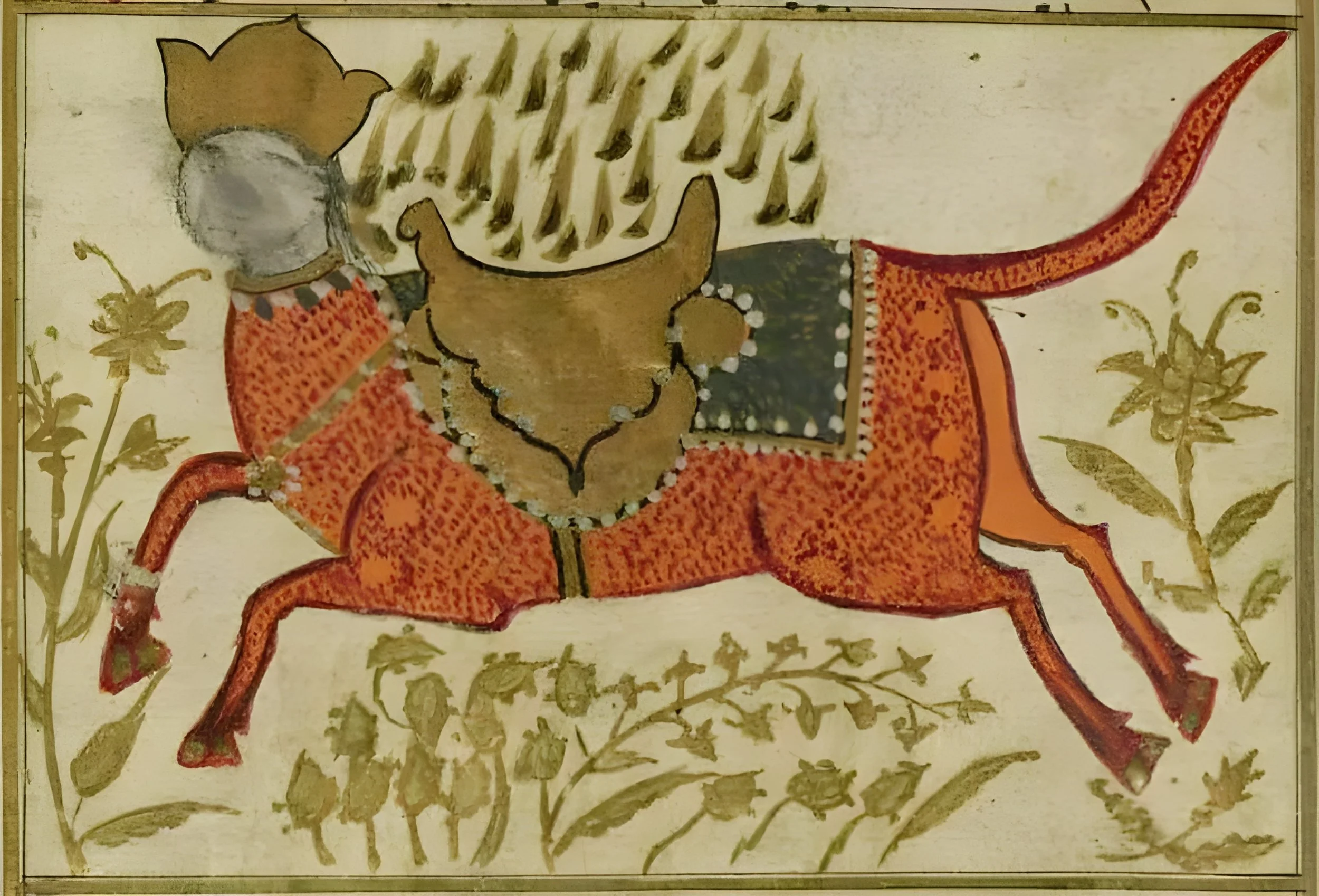
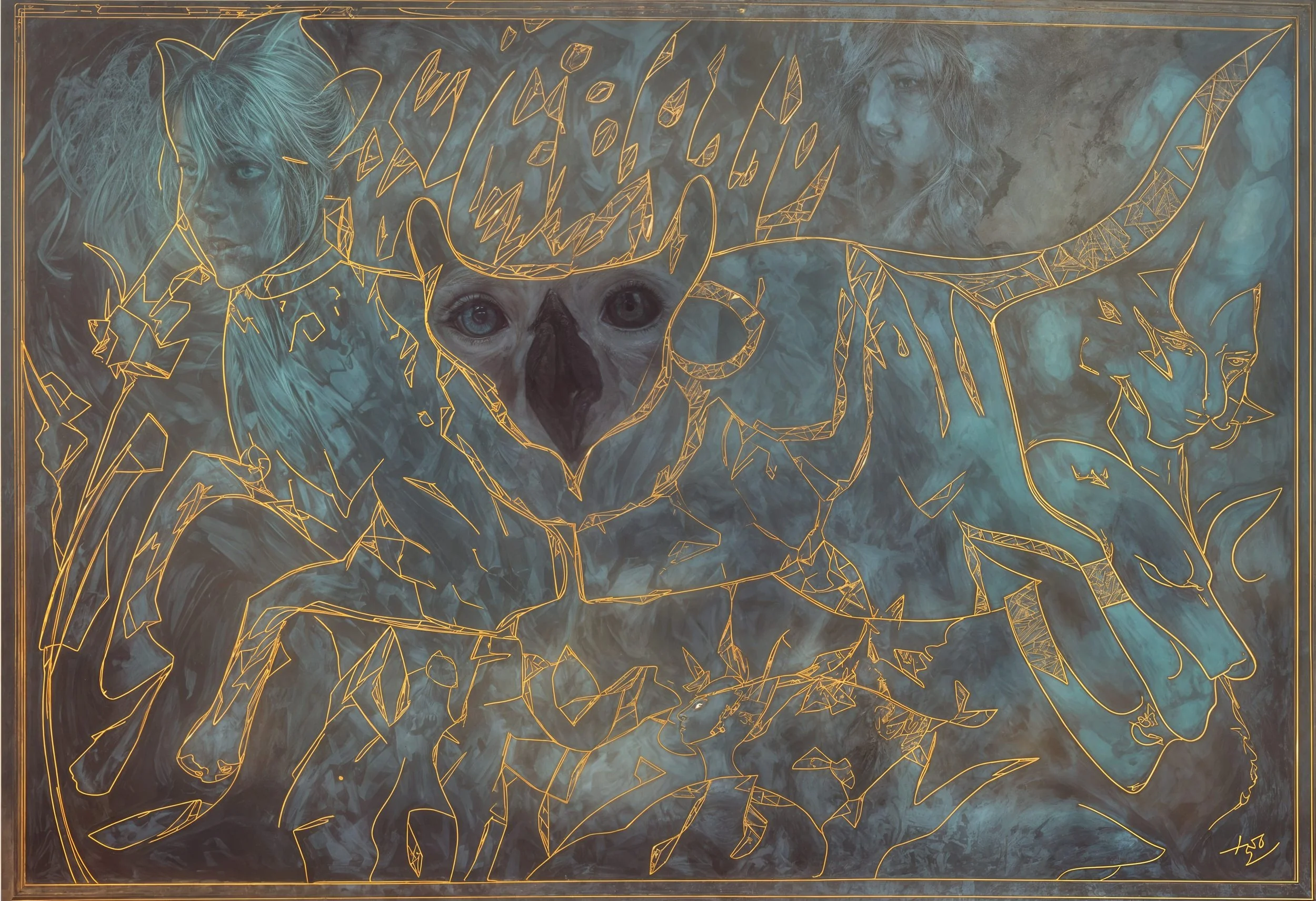
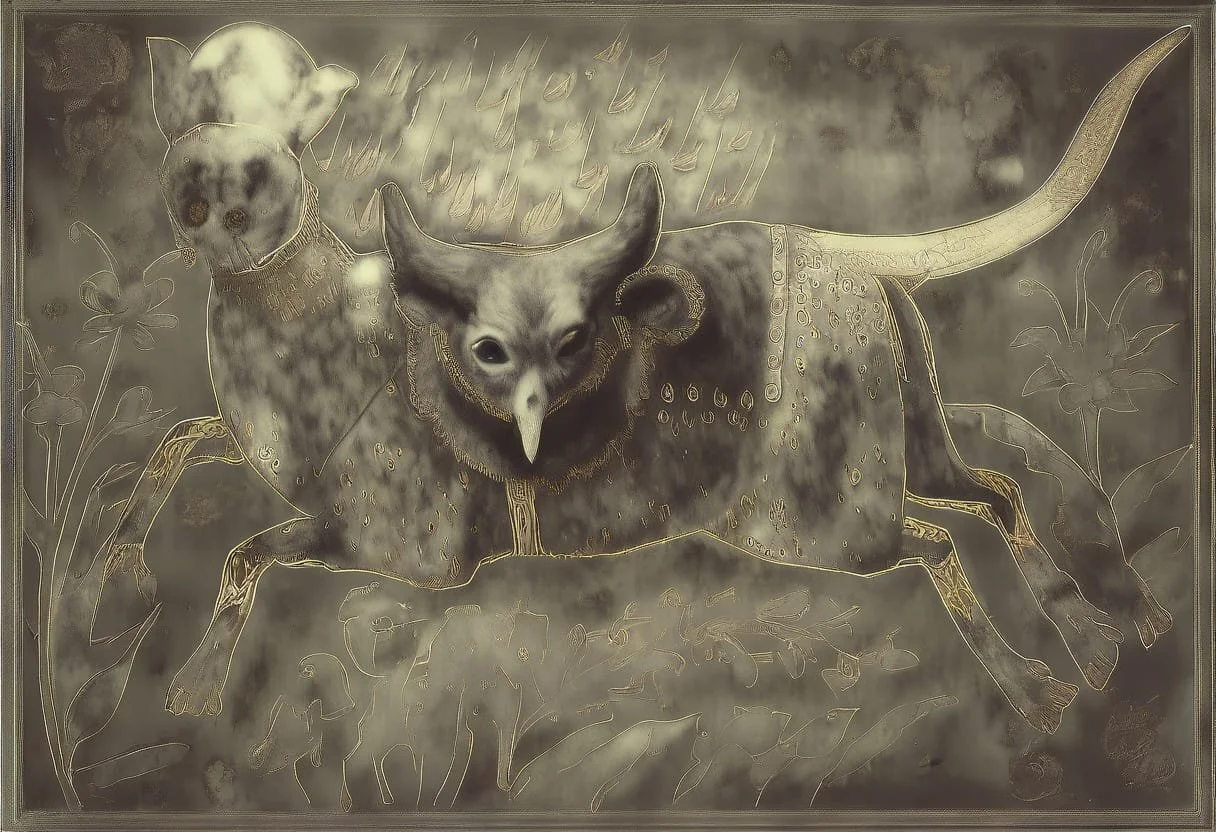
3. Bringing the Archive to Life
The Voidpunk community will now:
Adopt these Buraqs: Use the 10 AI-assisted portraits as blueprints for designing physical "Voidsonas."
Perform the Descent: Create rituals that move the Buraq from "Divine Servant" to "Lateral Partner."
Urban Integration: Inhabit these identities in the liminal spaces of Hong Kong, where I will photograph the final stage of this metamorphosis.
Why This Matters for Documentary Practice
1. Archives as Collaborative Partners
The Buraq stopped being a "remote icon" and became:
A scaffolding for posthuman identity.
A conversation starter about who is "allowed" to be divine.
A catalyst for community storytelling in the Void.
2. AI as an Accessibility Tool
For neurodivergent creators:
It serves as an external sketchpad when mental imagery fails.
It requires strict constraints (edge maps) to force the machine to respect the archive’s specific DNA.
3. Small Assignment, Bigger Project
This experiment now informs:
Future Exhibition: The Fox-to-Buraq metamorphosis will be a central narrative arc.
Collaborative Design: Voidpunk members are currently using these 10 references to build real-world costumes.
New Histories: Proving that marginalized groups can "adopt" archival icons to rewrite their own futures.
Three Lessons for Visual Storytellers
Archives Demand Active Conversation Don’t just observe—interrogate, remix, resurrect.
Technology Serves Vision (Not Vice Versa) AI only worked when I forced it to obey the archive's specific structural silhouette.
Communities Complete the Story Voidpunks will transform my images from concepts to living cultures, and then I will photograph them in those new identities.
Call-to-action: What forgotten histories could inspire your next project?